
Have you ever wondered what makes yoga so amazing and different from other forms of exercise? Well, let me tell you a bit about one of the most influential figures in the yoga world—B.K.S. Iyengar. Many people say that his teachings changed the way yoga is practiced all around the world. In this article, we will explore his life, his unique approach to yoga, and how his methods can benefit your health. Whether you are a beginner or someone who has been practicing yoga for years, understanding the essence of Iyengar Yoga might just inspire you to take your practice to a new level.
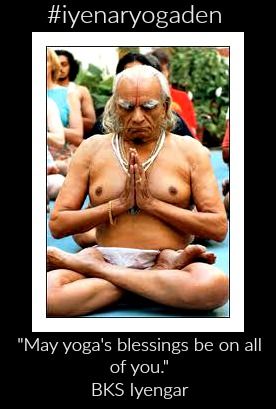
B.K.S. Iyengar was not just any yoga teacher; he was a pioneer who helped spread yoga beyond the borders of India. His approach to yoga emphasizes precision, alignment, and the use of props to help practitioners achieve the correct posture. This might sound a bit technical, but it really makes yoga more accessible and safer, especially for beginners. Imagine trying to balance on one leg or stretch in ways that seem impossible at first—it can be quite challenging without the right guidance. Iyengar’s methods are designed to help you overcome these challenges by focusing on small, manageable steps that lead to overall improvement in flexibility, strength, and mental clarity.
Throughout this article, we will break down the journey of B.K.S. Iyengar, explain the core principles of Iyengar Yoga, and dive into the many health benefits that come from practicing it regularly. You’ll also get some practical tips on how to begin your own Iyengar Yoga journey. With research-backed facts and real-world examples, we hope to give you a clear picture of how this form of yoga can be a game-changer for both your physical and mental well-being. So, grab a cup of chai, relax, and let’s explore the world of Iyengar Yoga together!
Test Your Knowledge
Who is B.K.S. Iyengar and His Journey
B.K.S. Iyengar was born in India and grew up in a modest family, where he first encountered yoga as a way to improve his health. Back in those days, yoga was not as widely accepted or popular outside of India. However, Iyengar’s passion and dedication led him to study under various gurus, where he developed a deep understanding of both the physical and spiritual aspects of yoga.
Over time, his practice evolved, and he started to see the need for a systematic method that could be taught to people from all walks of life. This led him to create what is now known as Iyengar Yoga—a style that emphasizes precision, alignment, and the use of props like blocks, straps, and blankets. These tools are especially useful for beginners, as they help support the body during poses and make challenging asanas more accessible.
One of his most famous works is the book Light on Yoga, which has become a bible for many yoga enthusiasts around the globe. In it, he detailed hundreds of postures and provided guidance on how to perform them safely and effectively. His book and teachings have reached millions of people worldwide, inspiring countless individuals to explore yoga as a means of improving both physical and mental health.
His journey was not always smooth, though. There were times when people doubted his methods, but he stayed true to his beliefs and continued to refine his practice. Today, Iyengar Yoga is practiced in over 100 countries, and many people credit its success to the systematic approach introduced by B.K.S. Iyengar. His life teaches us that with persistence, passion, and a willingness to learn, we can overcome obstacles and make a positive impact on the world.
Understanding Iyengar Yoga: Principles and Practice
The Core Principles
At its heart, Iyengar Yoga is about precision and alignment. This means that every movement and posture is performed with attention to detail. Unlike some other forms of yoga that might emphasize flow or speed, Iyengar Yoga encourages holding poses for longer durations to really understand the correct alignment of the body. This methodical approach not only improves physical balance but also helps in developing mental focus.
- Alignment: The foundation of every pose in Iyengar Yoga is correct alignment. This ensures that each part of the body is in the right position, reducing the risk of injury.
- Use of Props: Blocks, straps, and blankets are commonly used to support the body. These props are particularly helpful for beginners who might find it hard to perform certain poses.
- Precision: Every detail matters. Whether it’s the position of your hands or the angle of your back, being precise helps you get the most out of each asana.
- Focus on Breath: Breathing is an integral part of Iyengar Yoga. Coordinating your breath with your movements can lead to a deeper, more mindful practice.
The Practice
When you first start practicing Iyengar Yoga, it might feel a bit different from other types of physical activity. The focus is not on speed or flexibility alone but on understanding your body and its limits. Here’s how you can get started:
- Warm-Up: Begin with gentle warm-up exercises to prepare your muscles.
- Learn the Basic Postures: Start with simple asanas like Tadasana (Mountain Pose) and Adho Mukha Svanasana (Downward Dog). Focus on achieving the correct alignment.
- Use Props: Don’t be afraid to use blocks or straps. These tools can help you maintain the right posture and slowly build your strength.
- Practice Patience: It might take some time to get your alignment perfect. Well, don’t get discouraged if it doesn’t happen immediately—yoga is a journey!
- Mindful Breathing: Always pay attention to your breath. Deep, mindful breathing can help you stay relaxed and focused during your practice.
The beauty of Iyengar Yoga is that it is adaptable. Whether you are young or old, strong or a bit frail, the principles remain the same. The emphasis on detail and proper alignment makes it easier to practice safely and effectively, even if you have some physical limitations.
Health Benefits of Iyengar Yoga
There are many health benefits associated with regular practice of Iyengar Yoga, and these benefits go well beyond just getting a good stretch. Let’s explore some of the key advantages:
Physical Benefits
Joint Health: The careful movements and use of props reduce the strain on joints, making this form of yoga a good option for people with arthritis or joint pain.
Improved Flexibility: One of the most talked-about benefits is enhanced flexibility. Over time, the controlled, precise movements help stretch the muscles gently and effectively.
Increased Strength: Holding poses for longer periods helps build muscle strength. This is particularly helpful for those who want to tone their bodies without heavy weights.
Better Posture: Since correct alignment is a central principle, practicing Iyengar Yoga can lead to better posture in daily life. This is important for preventing back and neck problems, especially if you sit for long hours at school or work.
Enhanced Balance: Regular practice improves balance, which can help in everyday activities and reduce the risk of falls, especially in older adults.
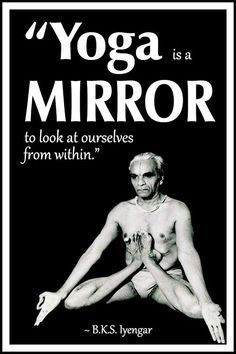
Mental and Emotional Benefits
- Stress Reduction: The focus on mindful breathing and precise movements can lead to a significant reduction in stress levels. This is because the practice encourages you to be present in the moment, letting go of daily worries.
- Improved Concentration: Iyengar Yoga demands attention to detail, which in turn enhances concentration. This can be very helpful for students who need to focus on their studies.
- Emotional Stability: Many practitioners report a sense of inner peace and stability after regular practice. This is partly due to the meditative aspects of the practice.
- Better Sleep: Some studies suggest that yoga can help regulate sleep patterns. Practicing Iyengar Yoga before bedtime might lead to a more restful sleep.
Scientific Insights
Research has shown that yoga, including the Iyengar style, can have measurable benefits on physical health. For example, a study published in the Journal of Alternative and Complementary Medicine found that regular yoga practice improved cardiovascular health and reduced blood pressure. Another study indicated that yoga helps in reducing the symptoms of anxiety and depression, likely due to the combination of physical activity and mindful breathing.
These benefits are supported by many health experts and have been experienced by millions of people around the world. While the research might seem a bit technical, the key takeaway is that a consistent practice of Iyengar Yoga can lead to noticeable improvements in both physical and mental health.
Practical Tips to Start Your Iyengar Yoga Journey
If you’re interested in exploring Iyengar Yoga, here are some simple tips to help you begin:
Finding a Class
- Local Studios: Check out yoga studios in your area that offer Iyengar Yoga classes. Many studios now offer beginner classes where the focus is on learning the basics.
- Online Resources: There are plenty of online videos and tutorials available. These can be a great starting point if you prefer practicing at home.
- Community Centers: In many cities, community centers or local clubs offer affordable yoga sessions. This can be a good way to experience the practice without spending too much money.
What to Expect in Your First Class
When you attend your first Iyengar Yoga class, expect a calm and methodical approach. The teacher will likely start by explaining the importance of alignment and the correct use of props. Don’t worry if you find some poses challenging at first—everyone starts somewhere, and the focus is on gradual improvement rather than instant perfection.
Essential Tips for Beginners
Ask Questions: Don’t be afraid to ask your instructor for help. A little guidance can make a big difference in understanding the correct form.
Wear Comfortable Clothing: Choose clothes that allow you to move freely. Avoid tight garments that might restrict your movements.
Bring Your Own Props: If you have access to yoga blocks, straps, or blankets, bring them along. However, most studios provide these for beginners.
Listen to Your Body: This is super important. If something feels uncomfortable or painful, don’t push it too hard. The idea is to work within your limits and gradually extend them.
Stay Consistent: Like anything worth doing, consistency is key. Even if you can only spare a few minutes each day, regular practice will yield better results than sporadic sessions.
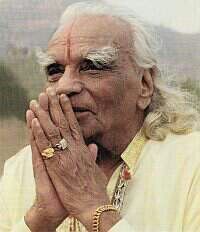
Awards and Recognition
B.K.S. Iyengar’s contributions to yoga have been celebrated with numerous awards and accolades, including:
Padma Shri (1991)
Padma Bhushan (2002)
Padma Vibhushan (2014)
These honors reflect his enduring impact on the promotion and popularization of yoga, both in India and globally.
Setting Up a Home Practice
If attending a class isn’t possible right away, you can always start practicing at home. Here’s a quick guide to set up your own space:
- Choose a Quiet Spot: Find a place where you can practice without distractions. This could be a corner of your room or a small area in your backyard.
- Gather Your Props: Get a yoga mat and any props you might need. Even a simple cushion can be useful for extra support.
- Follow a Routine: Start with a few basic poses and gradually expand your routine. There are many beginner-friendly routines available online that focus on Iyengar Yoga techniques.
- Keep a Journal: Write down your progress and any challenges you face. This can be really helpful in tracking improvements over time.
Real-World Examples and Research-Based Facts
Let’s talk about some real-life experiences and research that show how effective Iyengar Yoga can be. Many students and professionals alike have found that incorporating yoga into their daily routine has made a huge difference in their overall well-being.
Anecdotal Experiences
I remember a friend of mine from school who was struggling with back pain due to long hours of sitting and studying. After trying out an Iyengar Yoga class, he mentioned how the careful attention to posture and alignment really helped ease his pain. He even said that it made him feel more focused and less stressed during exam periods. Stories like these are common among practitioners, and they really highlight the practical benefits of this style of yoga.
Another example is a local teacher who started practicing Iyengar Yoga to manage her anxiety. Over a few months, she noticed that not only did her anxiety levels drop, but she also felt more confident and energetic throughout the day. These real-world examples prove that the benefits of Iyengar Yoga aren’t just theoretical—they actually work for real people in everyday life.
Research-Backed Insights
There have been several studies on the benefits of yoga, and while not all focus exclusively on Iyengar Yoga, the findings are very promising. For instance, research has indicated that yoga can help reduce blood pressure, improve cardiovascular health, and enhance overall physical fitness. One study even showed that regular yoga practice could lower stress hormones in the body, which is crucial for maintaining good health in our fast-paced lives.
Another interesting study looked at the impact of yoga on mental health. The findings suggested that yoga practitioners experienced lower levels of anxiety and depression compared to those who did not practice yoga. These improvements are likely due to the combined effects of physical movement, controlled breathing, and a focus on mindfulness—all key elements of Iyengar Yoga.
Why It Works
The reason Iyengar Yoga is so effective is because it takes a very systematic and thoughtful approach to the practice of yoga. By focusing on alignment and precision, it minimizes the risk of injury and helps practitioners achieve the full benefits of each posture. The use of props ensures that even beginners can perform poses correctly, which builds confidence and encourages a consistent practice.
Moreover, the emphasis on mindful breathing and holding poses for longer periods allows for a deeper connection between the body and mind. This connection is what helps reduce stress and improve concentration. Honestly, it’s like giving your body a chance to reset and recharge—a much-needed break in our busy lives.
Conclusion
In conclusion, the legacy of B.K.S. Iyengar is truly remarkable. His approach to yoga has not only popularized a form of exercise that is accessible to everyone but has also brought a new level of understanding to the practice of yoga. By focusing on precision, alignment, and the mindful use of props, Iyengar Yoga provides a safe and effective way to enhance flexibility, build strength, and improve overall health.
We’ve seen how his teachings have helped millions of people around the world—from students and professionals to the elderly—experience the many benefits of yoga. Whether it’s reducing back pain, lowering stress levels, or simply finding a moment of peace in a hectic day, the principles of Iyengar Yoga can be a real game-changer.
If you’ve ever been curious about starting yoga, consider giving Iyengar Yoga a try. With its clear focus on detail and gradual progress, it’s a fantastic way to start your journey towards a healthier and more balanced life. So, why not roll out your yoga mat, grab a block or two if you can, and see for yourself how the teachings of B.K.S. Iyengar can transform your daily routine?
Remember, every journey begins with a single step. Whether you choose to join a local class or start a practice at home, the important thing is to be patient and stay committed. As you continue to explore the world of Iyengar Yoga, you might find that the benefits extend far beyond the physical, touching every part of your life in a positive way.
So, go ahead and take that step. Discover the world of Iyengar Yoga and let it help you find balance, strength, and inner peace. After all, life is all about learning, growing, and making small improvements each day—even if it’s just perfecting your posture or taking a few deep, mindful breaths. Happy practicing!
By exploring the life and teachings of B.K.S. Iyengar, we not only pay homage to a great yoga master but also open the door to a healthier, more mindful way of living. Whether you’re a student, a professional, or simply someone curious about the benefits of yoga, the systematic approach of Iyengar Yoga offers valuable lessons for improving both body and mind.
So, if you’re looking for a practice that combines physical exercise with mental clarity and emotional stability, consider taking a closer look at Iyengar Yoga. Its detailed, thoughtful approach might just be the perfect fit for your lifestyle. Remember, every small step you take in your practice can lead to big changes in your life. Embrace the journey, learn from each moment, and let the legacy of B.K.S. Iyengar inspire you to be the best version of yourself.
Happy yoga journey, and may you find balance and joy in every pose you master!