
Discovering Yoga asanas for alzhimers: A Path to a Healthier Brain
Introduction
Have you ever wondered if practicing simple yoga poses could help with memory loss and keep your brain health active? Well, you’re not alone! In recent years, people all over, including in India, have started exploring Yoga asanas for alzhimers as a natural way to support brain health. Although alzhimers is a serious condition that affects memory and daily life, many believe that yoga can be a friendly companion to traditional treatments. Honestly, yoga might not be a complete cure for alzhimers, but its benefits in reducing stress and promoting mental calmness are pretty amazing.

Alzhimers is a brain disorder that mainly affects older people, causing difficulties in remembering things, thinking clearly, and even performing daily activities. With the increasing number of cases worldwide, many families are looking for safe, natural ways to support their loved ones. Yoga, which has been a part of Indian culture for thousands of years, offers several poses that are believed to improve blood circulation, lower stress levels, and stimulate the brain. Research has shown that regular practice of yoga not only calms the mind but can also help in boosting memory and concentration.
In this article, we will look at some specific Yoga asanas for alzhimers and explore how these simple poses might improve brain health. We’ll break down the science behind how yoga works, list some of the most effective asanas, and provide practical tips on how to incorporate these poses into your daily routine. So, whether you’re a beginner or someone who has been practicing yoga for years, keep reading to learn more about how a few minutes of mindful exercise could potentially make a big difference in managing the challenges of alzhimers.
Test Your Knowledge
Understanding alzhimers and Its Challenges
Alzhimers is a progressive brain disorder that mainly affects memory and cognitive functions. According to various studies, nearly 50 million people worldwide live with some form of dementia, and alzhimers accounts for about 60-70% of these cases. This means that many families, especially in our communities, face daily challenges as their loved ones gradually lose the ability to remember names, faces, and even simple tasks.
What is alzhimers?
- Loss of memory: One of the earliest signs of alzhimers is the loss of recent memory. People might forget important dates, appointments, or events.
- Cognitive Decline: Along with memory, skills like problem-solving and reasoning get affected.
- Behavioral Changes: Increased irritability, confusion, and even depression can be part of the condition.
- Daily Life Impact: Simple activities like dressing, eating, or maintaining hygiene become difficult over time.
These challenges not only affect the individuals but also put a lot of stress on their families. Often, caregivers feel overwhelmed and look for complementary therapies to ease the condition. This is where yoga comes into play.
Why Consider yoga?
Yoga has been celebrated for centuries as a tool to harmonize the body and mind. Many research studies suggest that practicing yoga can lower cortisol levels (the stress hormone) and improve overall mental well-being. For people dealing with alzhimers, reduced stress and improved mood can significantly impact their quality of life. The focus on deep breathing and meditation in yoga helps create a sense of calm, which is especially beneficial for those experiencing the mental fog associated with alzhimers.
Moreover, yoga is accessible to almost everyone. You don’t need expensive equipment or a fancy gym; a simple mat and a quiet space at home can suffice. Given these advantages, many experts suggest that incorporating yoga into a daily routine can be a natural way to support brain health and memory.
How yoga Contributes to Brain Health
Yoga is more than just a physical exercise; it is a holistic practice that connects the mind, body, and spirit. When it comes to brain health, here are some ways in which yoga can be beneficial:
Stress Reduction and Relaxation
One of the most significant benefits of yoga is its ability to reduce stress. High stress levels have been linked to worsening symptoms in alzhimers. By practicing yoga regularly, you can:
- Lower Cortisol Levels: Research indicates that yoga helps reduce cortisol, which in turn helps lower stress.
- Enhance Relaxation: Deep breathing and meditation techniques in yoga promote relaxation and calmness.
- Improve Sleep: A calm mind often leads to better sleep, which is crucial for brain repair and memory consolidation.
Improved Blood Circulation
Yoga asanas are known to improve blood circulation, ensuring that the brain gets a steady supply of oxygen and nutrients. Better blood flow means:
- Enhanced Cognitive Function: With more oxygen, brain cells work more efficiently, supporting overall brain health.
- Better Memory Retention: Improved circulation supports overall brain function, potentially aiding in memory and concentration.
- Detoxification: Increased blood flow also helps in flushing out toxins from the body, which might otherwise contribute to cognitive decline.
Mental Clarity and Focus
Regular yoga practice encourages mindfulness—a state of active, open attention on the present. This can lead to:
- Sharper Concentration: By focusing on the breath and body movements, yoga trains the mind to concentrate better.
- Reduced Anxiety: The meditation aspect of yoga helps in reducing anxiety, which is often a trigger for memory lapses.
- Increased Awareness: Many practitioners report a heightened sense of self-awareness and clarity after regular practice.
Research-Backed Facts
Studies published in journals like the International Journal of Yoga Therapy have shown that consistent yoga practice can lead to improvements in memory and cognitive function, especially in older adults. For example, one study found that seniors who practiced yoga for just a few months reported better concentration and a noticeable reduction in stress levels. While these results are promising, it’s important to remember that yoga is a complementary approach—it works best alongside other treatments recommended by doctors.
Effective Yoga asanas for alzhimers
Now, let’s dive into some specific Yoga asanas for alzhimers that might help boost brain health and improve memory. Remember, while these asanas are beneficial, they are not a replacement for professional medical treatment. Always consult with a healthcare provider before starting any new exercise regimen.
1. Padmasana (Lotus Pose)
Benefits:
- Calms the Mind: The Padmasana is a traditional meditative posture that helps in centering the mind.
- Improves Concentration: Sitting in a steady, balanced position helps focus the mind, making it easier to meditate.
- Enhances Meditation: It’s one of the best poses for deep meditation, which can lead to improved mental clarity.
How to do it:
- Sit on the floor with your legs stretched out.
- Gently bend one knee and place your foot on the opposite thigh.
- Repeat with the other leg.
- Keep your spine straight, rest your hands on your knees, and close your eyes.
- Breathe deeply and relax for 5-10 minutes.
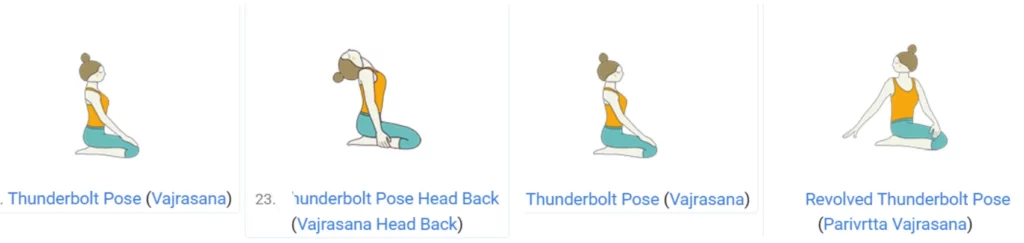
2. Vajrasana (Thunderbolt Pose)
Benefits:
- Aids Digestion: Good digestion is linked to overall health, including brain health.
- Improves Focus: Sitting in Vajrasana after meals can help in better digestion and improved mental focus.
- Calming Effect: This pose promotes a calm state of mind, which is essential for reducing stress.
How to do it:
- Kneel on the floor and sit back on your heels.
- Keep your back straight and your hands resting on your thighs.
- Hold the position for a few minutes while breathing normally.
- Gradually increase the duration as you become more comfortable.
3. Shavasana (Corpse Pose)
Benefits:
- Deep Relaxation: This pose is excellent for complete relaxation and stress relief.
- Reduces Anxiety: By allowing your body to relax fully, Shavasana helps in lowering anxiety levels.
- Improves Blood Flow: Lying flat on your back promotes optimal blood circulation, aiding overall brain health.
How to do it:
- Lie flat on your back with your arms slightly away from your body.
- Let your legs relax, and close your eyes.
- Focus on your breathing and allow your whole body to relax.
- Stay in this pose for 10-15 minutes.

4. Balasana (Child’s Pose)
Benefits:
- Calms the Nervous System: The Balasana helps in soothing the nervous system.
- Reduces Stress and Fatigue: It’s a gentle pose that can help relieve stress and calm the mind.
- Improves Focus: By providing a sense of safety and calm, this pose can help improve concentration.
How to do it:
- Kneel on the floor, sit back on your heels, and bend forward.
- Rest your forehead on the ground and extend your arms forward.
- Hold the pose for a few deep breaths.
- Feel free to rest here until you feel more relaxed.

5. Simhasana (Lion Pose)
Benefits:
- Releases Tension: The Simhasana helps release tension in the face, throat, and chest.
- Boosts Energy: It’s a fun pose that can help invigorate the mind and body.
- Enhances Circulation: By opening up the chest, it allows for better oxygen flow to the brain.
How to do it:
- Sit comfortably with your legs crossed.
- Place your hands on your knees.
- Inhale deeply, and on exhaling, open your mouth wide and stick out your tongue.
- Repeat this a few times to feel the release of tension.

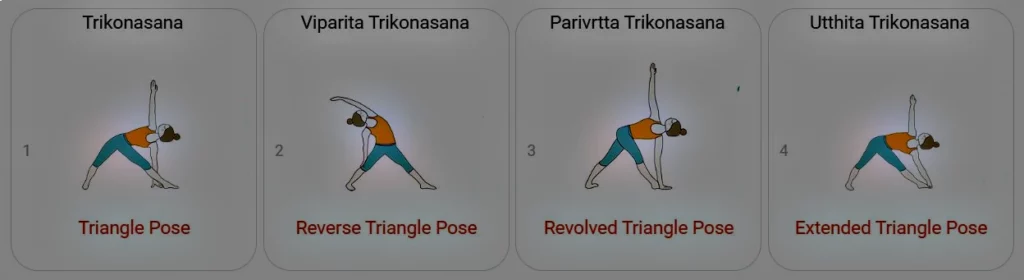
6. Trikonasana (Triangle Pose)
Benefits:
- Improves Blood Circulation: This pose helps increase blood flow to the brain.
- Strengthens the Body: It also tones the muscles and improves overall stamina.
- Enhances Balance: Maintaining balance in this pose can boost mental concentration and focus.
How to do it:
- Stand with your legs wide apart.
- Turn your right foot outward and your left foot slightly inward.
- Stretch your arms out to the sides, then lean to your right side.
- Place your right hand on your leg or the floor, and extend your left arm upwards.
- Hold for a few breaths, then switch sides.
A Few Points to Remember:
- These asanas, when practiced regularly, can be a great addition to your routine to help manage the stress and anxiety that often come with alzhimers.
- Start slowly, and don’t push your body too hard. Even 10-15 minutes a day can make a difference over time.
- Consistency is key. With regular practice, you might notice improvements in mood, memory, and overall mental clarity.
Real-life Experiences and Research Insights
It’s always inspiring to hear real-life stories about how yoga has helped people manage their daily challenges. Many individuals and families have shared their experiences of incorporating Yoga asanas for alzhimers into their routines and witnessing positive changes. For instance, in many parts of India, seniors practicing yoga have reported feeling more energetic, focused, and less anxious. These personal accounts, along with scientific research, build a strong case for the potential benefits of yoga in managing symptoms related to cognitive decline.
Research Highlights
- Study Insights: A study published in the International Journal of Yoga Therapy found that elderly participants who practiced yoga regularly showed improvements in memory and concentration compared to those who did not. The study suggested that the combination of physical movement and mindful meditation can have a synergistic effect on cognitive function.
- Brain Imaging Studies: Some brain imaging research indicates that yoga may help increase grey matter in areas of the brain responsible for memory and decision-making. This means that yoga might help in slowing down the progression of cognitive decline.
- Reduced Cortisol Levels: Research from several institutions has shown that regular yoga practice lowers cortisol levels, which is important because high levels of cortisol are linked with impaired cognitive function and memory problems.
Anecdotal Experiences
- Family Caregivers: Many caregivers have noticed that their loved ones, after practicing yoga, seem to exhibit better mood stability and reduced agitation. One caregiver mentioned, “I was amazed to see how a few minutes of meditation and simple asanas could brighten my father’s mood and make him more engaged.”
- Community Programs: In several local community centers in India, yoga sessions specifically designed for seniors have become quite popular. These sessions not only provide physical benefits but also foster social interaction, which is crucial for mental well-being.
These insights and experiences underscore that while yoga is not a magical cure for alzhimers, it certainly offers a practical way to support brain health and improve overall quality of life. The calming effects, improved circulation, and enhanced focus that yoga brings can be a valuable part of a holistic approach to managing the condition.
Tips to Incorporate Yoga in Your Daily Routine
If you’re thinking of adding these beneficial Yoga asanas for alzhimers to your routine, here are some practical tips to get started:
- Start Small: Begin with 10-15 minutes of yoga each day. As you get more comfortable, you can gradually increase the duration.
- Set a Routine: Consistency is key. Try to practice at the same time each day—maybe early in the morning or in the evening before dinner.
- Focus on Breathing: Incorporate deep breathing exercises along with your asanas. This helps enhance the calming effects of the practice.
- Join a Class or Online Session: If you’re new to yoga, consider joining a local class or following online tutorials. Learning proper technique is important to avoid injuries.
- Listen to Your Body: Always pay attention to how your body feels. If any pose causes discomfort, modify it or take a break.
- Consult a Professional: Before starting any new exercise regimen, especially if you have health issues or concerns related to alzhimers, it’s best to consult a healthcare provider.
Remember, the goal isn’t to master every pose immediately but to enjoy the process of learning and experiencing the benefits. It might take time for the positive effects to show, so be patient with yourself or your loved ones. Over time, you may notice not just improved mental clarity, but also an overall better sense of well-being and energy.
Final Thoughts
In conclusion, Yoga asanas for alzhimers offer a gentle yet effective way to support brain health and improve memory. Although yoga is not a cure for alzhimers, its benefits in reducing stress, enhancing blood circulation, and promoting mental clarity make it a valuable complementary therapy. From calming poses like Padmasana and Shavasana to more dynamic ones like Trikonasana, each asana contributes in its own way to nurturing both the mind and body.
By incorporating these simple asanas into your daily routine, you can create a calm, focused environment that not only helps manage the symptoms of alzhimers but also improves overall well-being. Remember, consistency and patience are key, and even a small amount of daily practice can lead to noticeable improvements over time. So why not give it a try? Start with just a few minutes each day, and gradually build your routine. Your brain health—and your body—will thank you for it.
Ultimately, whether you are caring for a family member with alzhimers or looking to improve your own cognitive function, yoga offers a natural, holistic approach to enhancing your quality of life. Embrace these practices, be open to the changes, and enjoy the journey towards a healthier mind. Taking the first step might seem daunting, but every little bit counts. So, roll out your mat, take a deep breath, and begin your journey with these simple Yoga asanas for alzhimers. Happy practicing!