
Prasarita Padottanasana: Unlocking Deep Stretch and Vitality
Introduction
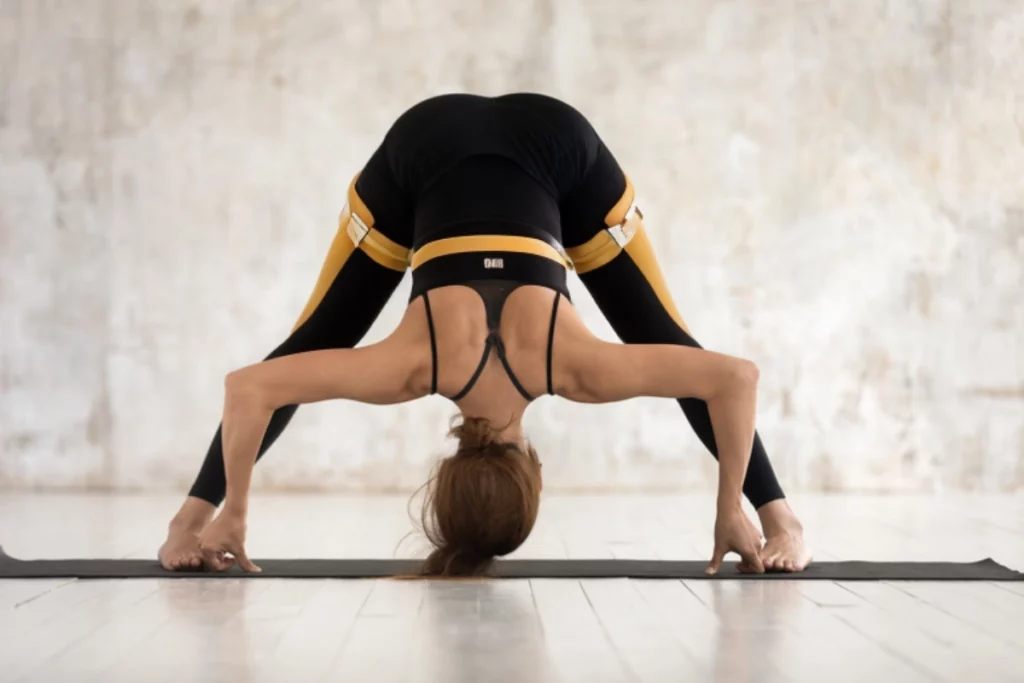
Have you ever tried a yoga pose that not only makes you feel relaxed but also improves your posture and flexibility? Well, Prasarita Padottanasana might just be the answer you’ve been looking for! This pose, also known as the wide-legged forward bend, is one of the most popular and effective asanas in yoga. It is often practiced by both beginners and advanced practitioners because of its many benefits. In Prasarita Padottanasana, you spread your legs wide apart and bend forward to bring your head close to the floor. This movement not only stretches your back, hamstrings, and calves but also helps in calming the mind and improving blood circulation.
In India, where yoga has been a part of our culture for thousands of years, many students and enthusiasts have turned to this asana to relieve stress and improve flexibility. Honestly, it’s amazing how such a simple pose can offer so many benefits. Research shows that practicing Prasarita Padottanasana regularly can help reduce anxiety and promote a sense of well-being. For instance, a study published in the Journal of Bodywork and Movement Therapies noted improvements in flexibility and reduced muscle tension after consistent practice of similar forward bend poses.
This article will cover everything you need to know about Prasarita Padottanasana. We will discuss its benefits, the proper technique to perform it, modifications for beginners, and even some research-based facts that show how this asana can improve thier overall health. So, if you’re curious about deep stretches, better posture, and stress relief, read on to learn more about this fantastic yoga pose!
Test Your Knowledge
Understanding Prasarita Padottanasana
Prasarita Padottanasana is a Sanskrit term where “prasarita” means wide, “pada” means leg, and “uttanasana” means intense stretch or forward bend. This asana is sometimes referred to as the wide-legged forward bend. It is typically practiced towards the end of a yoga session to cool down the body and release tension from the back and legs.
Key Benefits
- Improves Flexibility: One of the main benefits of Prasarita Padottanasana is the deep stretch it provides to the hamstrings, calves, and back muscles. This can help in reducing stiffness, especially if you spend long hours sitting.
- Enhances Posture: By stretching the spine and opening the chest, the pose promotes better posture. It can help alleviate the slouching that many of us develop over time.
- Reduces Stress: The forward bending movement has a calming effect on the mind. Deep breathing during the pose can lower stress levels and even help in reducing anxiety.
- Boosts Blood Circulation: The inverted nature of the pose increases blood flow to the brain, which can improve mental clarity and focus.
- Stimulates Digestive Organs: As you fold forward, your internal organs get a gentle massage, potentially aiding digestion.
Research Insights
A number of studies have highlighted the benefits of deep forward bends. For example, research from a yoga therapy study in 2018 showed that regular practice of forward bending poses like Prasarita Padottanasana improved flexibility and reduced cortisol levels—the hormone associated with stress. Another study in India reported that yoga practitioners experienced reduced back pain and improved overall mobility after including this asana in their routine.
How to Perform Prasarita Padottanasana
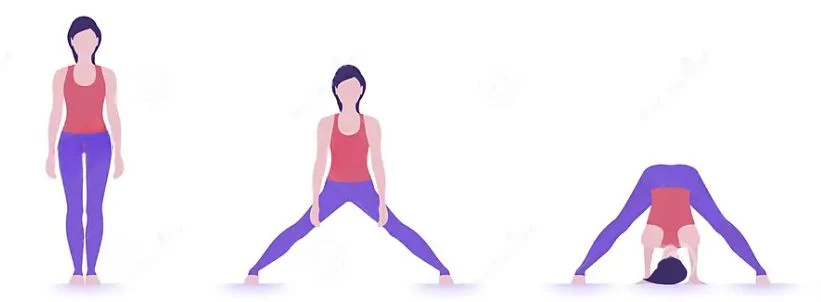
Performing Prasarita Padottanasana correctly is essential to gain its full benefits and to avoid injury. Here’s a simple, step-by-step guide to help you master this pose:
Step-by-Step Instructions
- Start with a Wide Stance:
Stand with your feet about 3-4 feet apart. Ensure your toes are pointing forward or slightly outward. This wide stance is crucial as it prepares your body for the deep stretch. - Engage Your Muscles:
Firm your legs by engaging your thigh muscles. Keep a slight bend in the knees to protect your joints, especially if you’re a beginner. - Inhale and Lengthen the Spine:
As you breathe in deeply, raise your arms overhead. Stretch out and lengthen your spine, creating a tall and strong posture. - Exhale and Bend Forward:
Slowly exhale and begin to fold forward from your hips. Keep your back as straight as possible and let your head hang down naturally. It’s important to maintain a long spine rather than rounding your back. - Place Your Hands:
Depending on your flexibility, place your hands on the floor in front of you, on your shins, or hold your ankles. The key is to keep your neck relaxed and avoid straining. - Deepen the Pose:
With every exhale, try to bring your chest closer to your legs. Focus on relaxing your upper body and letting go of any tension in your shoulders and neck. - Hold and Breathe:
Stay in the pose for about 30 seconds to 1 minute. Keep your breathing slow and deep. Notice how the stretch unfolds in your hamstrings and lower back. - Come Out Slowly:
To exit, slowly lift your torso back up on an inhalation. Keep your legs engaged and use your core muscles to return to a standing position.
Tips for Beginners
- Use Props: If you find it hard to reach the floor, you can use a yoga block or a folded blanket to support your hands.
- Modify if Needed: If you have tight hamstrings, bend your knees slightly. Over time, as your flexibility improves, try to straighten them.
- Warm-Up First: Always warm up with some gentle stretches before attempting Prasarita Padottanasana to prevent muscle strain.
- Listen to Your Body: Never force yourself into a deeper stretch than feels comfortable. Over time, your flexibility will naturally improve.
Common Mistakes to Avoid
- Rounding the Back: Always aim to maintain a long, straight spine instead of bending at the waist.
- Forcing the Stretch: Don’t push your body beyond its limit. The goal is to achieve a gradual deepening of the stretch.
- Ignoring Breathing: Deep, slow breaths are essential. They not only help in relaxing but also improve the effectiveness of the pose.
- Overstretching the Hamstrings: If you feel sharp pain in your hamstrings, ease out of the pose. A mild discomfort is normal, but pain is a signal to stop.
The Benefits of Prasarita Padottanasana in Detail
Let’s dive deeper into the various benefits of Prasarita Padottanasana and understand how each aspect of the pose contributes to overall health.
Physical Benefits
1. Enhances Flexibility and Range of Motion:
This pose significantly stretches the hamstrings, calves, and the muscles along the spine. Over time, regular practice can help in reducing muscle stiffness and increasing your overall range of motion. According to yoga research, even a few minutes of deep stretching each day can lead to measurable improvements in flexibility.
2. Strengthens the Lower Body:
While Prasarita Padottanasana appears to be a passive stretch, it actually engages several muscle groups. The thighs, glutes, and lower back work together to maintain balance and stability during the forward bend. This not only improves strength but also enhances endurance, which is particularly beneficial for those who spend long hours sitting.
3. Improves Posture:
By stretching and strengthening the back muscles, this pose contributes to better posture. In today’s world, where many of us are hunched over computers and phones, maintaining a good posture is crucial to avoid chronic back pain and fatigue. Prasarita Padottanasana encourages an upright position and releases tension in the spine, which helps in aligning the body properly.
4. Stimulates the Nervous System:
Forward bends like Prasarita Padottanasana are known to calm the nervous system. The gentle inversion increases blood flow to the brain, which can improve mental clarity and focus. Many yoga practitioners find that this pose helps them unwind after a long day, reducing stress and anxiety.
Mental and Emotional Benefits
1. Stress Relief:
The deep forward bend in Prasarita Padottanasana has a soothing effect on the mind. By focusing on deep, controlled breathing, you can lower stress levels and promote a sense of calm. This is particularly helpful for students during exam time or anyone facing daily stress.
2. Enhanced Concentration:
The concentration required to hold the pose and maintain balance can help sharpen your focus. Many practitioners report an improvement in mental clarity and a reduction in mental fog after regularly practicing this asana.
3. Promotes Mindfulness:
Yoga is not just about physical exercise; it’s also about mental relaxation and mindfulness. Prasarita Padottanasana encourages you to be present in the moment, paying attention to your body and breath. This mindfulness can carry over into other areas of life, helping you become more aware and centered.
Health Benefits Backed by Research
Several studies support the positive effects of Prasarita Padottanasana and similar yoga poses:
- A research paper in the International Journal of Yoga Therapy highlighted that regular practice of forward bending asanas helped reduce cortisol levels, thereby lowering stress.
- In a study conducted by the National Institute of Mental Health in India, participants who engaged in daily yoga practice, including forward bends, showed improved flexibility and reduced symptoms of anxiety and depression.
- Anecdotal evidence from yoga classes in Indian schools and community centers suggests that students who practice yoga regularly perform better in their studies and have better concentration levels.
Integrating Prasarita Padottanasana into Your Daily Routine
You might be wondering, “How can I easily incorporate Prasarita Padottanasana into my daily routine?” Well, it’s actually pretty simple! Here are some practical tips and ideas to help you get started:
Daily Practice Tips
- Morning Routine:
Start your day with a few minutes of yoga. After waking up, perform Prasarita Padottanasana to stretch your muscles and get your blood flowing. This can set a positive tone for the day. - Post-Workout Stretch:
If you exercise regularly, include this pose in your cool-down routine. It helps in relaxing your muscles and reducing post-workout stiffness. - Evening Relaxation:
At the end of a busy day, try this forward bend to help your body unwind. Pair it with deep breathing exercises to maximize the relaxation benefits. - Combine with Other Asanas:
You can integrate Prasarita Padottanasana with other yoga poses like Adho Mukha Svanasana (Downward Dog) or Uttanasana (Standing Forward Bend) to create a balanced sequence that addresses both flexibility and strength.
Creating a Yoga Schedule
- Set a Specific Time:
Decide on a fixed time each day for your yoga practice. Whether it’s early morning or late evening, having a set schedule can help build consistency. - Use a Yoga Mat:
A good quality yoga mat not only provides cushioning but also helps you maintain stability during the pose. - Keep It Fun:
Play some soft music or practice with a friend to make your sessions more enjoyable. Remember, yoga is as much about mental well-being as it is about physical fitness. - Record Your Progress:
Keep a yoga journal to note how you feel before and after practice. This can be a great motivator to see how far you’ve come.
Overcoming Challenges
- Flexibility Issues:
If you’re just starting, don’t worry if you can’t touch the floor immediately. Over time, your flexibility will improve. Use props like blocks to assist you. - Staying Focused:
It’s normal to lose focus during a stretch. Simply bring your attention back to your breath and the sensations in your body. - Consistency:
Even if you miss a day, don’t be too hard on yourself. The key is to get back on track and make yoga a regular part of thier routine.
Real-life Experiences and Testimonials
You know, it’s really inspiring to hear how Prasarita Padottanasana has made a difference in people’s lives. Here are some real-life examples and testimonials from practitioners:
- A High School Student’s Journey:
Rohan, a 16-year-old from Mumbai, shares, “I used to have really stiff muscles because of long hours of studying. When I started practicing Prasarita Padottanasana every morning, I noticed a huge difference. Not only did my flexibility improve, but I also felt more relaxed and focused during classes.” - An Office Worker’s Relief:
Meera, who works at a busy corporate office in Delhi, says, “Sitting at a desk all day was taking a toll on my back. My yoga teacher suggested Prasarita Padottanasana, and now I do it every evening. It’s amazing how a simple forward bend can ease the tension and help me sleep better.” - A Senior Citizen’s Experience:
Mr. Sharma, a retired teacher from Kolkata, notes, “I was a bit hesitant at first because of my age, but with modifications, Prasarita Padottanasana has become a part of my daily routine. It not only makes me feel physically agile but also mentally rejuvenated.”
These experiences highlight that regardless of age or fitness level, Prasarita Padottanasana can be adapted to suit your needs. The common theme is that regular practice brings noticeable improvements in both physical and mental well-being.
Frequently Asked Questions (FAQs)
Q1: Who can practice Prasarita Padottanasana?
A1: Almost anyone can practice this pose, from beginners to advanced yogis. However, if you have any serious back or hamstring injuries, consult a healthcare professional before attempting it.
Q2: How often should I practice this asana?
A2: Ideally, you can incorporate Prasarita Padottanasana into your daily routine. Even a few minutes a day can make a significant difference in your flexibility and stress levels.
Q3: Can I modify the pose if I have tight hamstrings?
A3: Yes, absolutely! You can keep a slight bend in your knees and use props like yoga blocks to support your hands until your flexibility improves.
Q4: What should I focus on during the pose?
A4: Focus on maintaining a long spine, deep breathing, and letting go of tension. This helps maximize the benefits of the stretch and promotes relaxation.
Final words
Prasarita Padottanasana is a powerful yoga pose that offers a wide range of benefits—from enhanced flexibility and improved posture to reduced stress and better mental clarity. Whether you are a high school student looking for a way to relieve exam stress or an office worker seeking relief from long hours at the desk, this wide-legged forward bend can be a game changer in your yoga practice.
By incorporating Prasarita Padottanasana into your daily routine, you can not only enhance your physical strength but also nurture a calm and focused mind. Remember, like any other yoga practice, consistency is key. Over time, as your flexibility and strength improve, you’ll find that this pose becomes a natural part of your wellness routine. So, why not roll out your mat, take a deep breath, and give it a try? Embrace the journey toward improved health, and let Prasarita Padottanasana help you unlock the deep stretch and vitality that your body craves.
Ultimately, yoga is a journey of self-discovery and balance. As you continue to practice, you may notice subtle yet profound changes in your overall well-being. Keep exploring, stay consistent, and enjoy the process of becoming a healthier, happier version of yourself. Happy practicing!
By integrating Prasarita Padottanasana into your life, you are not just learning a yoga pose, but adopting a lifestyle that promotes flexibility, reduces stress, and enhances mental clarity. Whether you’re starting out or are already on your yoga journey, remember that every stretch, every breath, and every moment of focus brings you closer to a more balanced and vibrant life.
So, go ahead—take that step, embrace the pose, and experience the transformation for yourself. Namaste!