
Sukhasana: The Easy Pose for Mindfulness and Well-being
Introduction
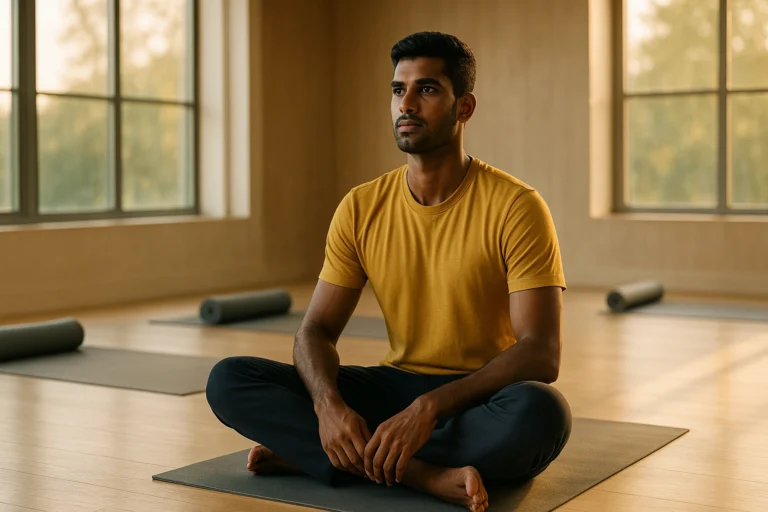
Have you ever felt completely overwhelmed after a long day at school or during exam season? Well, you’re not alone! In today’s fast-paced world, finding a moment of calm can feel almost impossible. That’s where Sukhasana comes in. Known as the “Easy Pose,” Sukhasana is a simple yet powerful yoga posture that anyone can do. Whether you are a beginner or have some experience with yoga, this pose offers a wonderful way to relax, improve your posture, and boost your overall well-being.
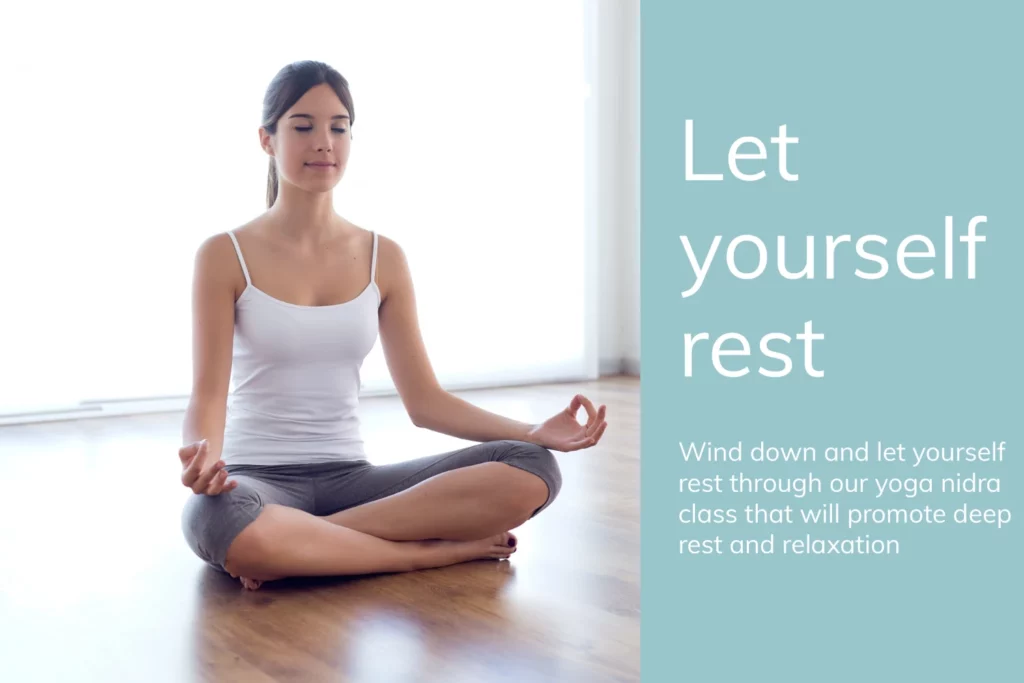
Sukhasana literally means “easy posture” in Sanskrit, and it really lives up to its name. It doesn’t require any special equipment or even a lot of space, making it perfect for busy students, professionals, or anyone looking to incorporate a bit of mindfulness into their daily routine. In this article, we’re going to dive deep into the world of Sukhasana. We will explore its history, the benefits it offers, and a step-by-step guide on how to perform it correctly. You’ll also read about some research-based facts that show how this asana can help reduce stress, improve blood circulation, and even aid in better concentration.
I remember when I first tried Sukhasana, I was surprised at how effective such a simple pose could be. Sitting in this pose for just a few minutes made me feel more relaxed and focused, even on the busiest days. Plus, since it doesn’t require strenuous effort, it’s something I can practice every day without feeling tired. Throughout this article, I’ll share some personal tips and real-world examples that you might find useful.
So, if you’re curious about how a tiny change in your daily routine can bring significant improvements in your life, keep reading to learn more about Sukhasana. It’s not just a yoga pose; it’s a doorway to a calmer, more mindful way of living.
Test Your Knowledge
Understanding Sukhasana
Sukhasana is more than just sitting down comfortably. It is one of the foundational yoga postures that set the stage for meditation and mindfulness practices. Here’s a closer look at what Sukhasana is all about:
What Does Sukhasana Mean?
- Literal Meaning: In Sanskrit, “Sukha” means “ease” or “happiness” and “asana” means “pose” or “posture.” So, Sukhasana translates to “Easy Pose.”
- Symbolism: The pose symbolizes a state of ease and simplicity. It encourages you to find comfort in stillness, letting go of the constant rush of everyday life.
The History and Tradition
Yoga has been a part of Indian culture for thousands of years. Sukhasana is often one of the first postures taught in yoga classes because it lays the foundation for proper meditation and breathing practices. Although it looks simple, its origins are deeply rooted in ancient traditions, where it was used as a preparatory pose for meditation.
Key Elements of Sukhasana
- Comfort and Simplicity: Unlike more challenging postures, Sukhasana is accessible to everyone.
- Mindfulness: It is commonly used as a starting point for meditation, allowing you to focus on your breath and calm your mind.
- Alignment: Despite its simplicity, proper alignment in Sukhasana can improve your overall posture, especially if you sit for long hours.
Why Sukhasana is Popular Among Students and Professionals
You see, many students and working professionals spend most of their day sitting in class or at a desk. This often leads to back pain, poor posture, and increased stress levels. Sukhasana provides a quick and effective way to counter these issues. Just a few minutes a day in this pose can help alleviate tension, improve focus, and make you feel more at ease.
Benefits of Practicing Sukhasana
Practicing Sukhasana regularly can bring about numerous benefits that affect both your physical and mental health. Let’s break these down:
Physical Benefits
- Improves Posture:
When you sit in Sukhasana, you naturally straighten your spine, which helps improve your overall posture. This can be particularly beneficial if you spend long hours sitting at a desk or in class. - Enhances Flexibility:
Although it might not seem like a deep stretch, maintaining the correct form in Sukhasana gradually enhances the flexibility of your back and hips. - Boosts Blood Circulation:
Sitting upright in Sukhasana improves blood flow, ensuring that your brain and other vital organs get a good supply of oxygen and nutrients. This can help in maintaining overall health. - Reduces Physical Tension:
By encouraging a relaxed posture, Sukhasana helps to release tension in your muscles, especially in the lower back and shoulders, areas that often get tight due to prolonged sitting.
Mental and Emotional Benefits
- Reduces Stress and Anxiety:
One of the most significant benefits of Sukhasana is its ability to calm the mind. The simple act of sitting quietly and focusing on your breath can lower stress levels and reduce anxiety. - Improves Concentration and Focus:
With regular practice, Sukhasana helps enhance mental clarity. It trains you to be present in the moment, which can improve your concentration, especially during studies or work. - Encourages Mindfulness:
Sukhasana is a natural entry point to meditation. When you sit in this pose, you are more likely to practice mindfulness, which has been shown to reduce negative thought patterns and improve emotional well-being. - Promotes Inner Peace:
The ease and simplicity of Sukhasana allow you to disconnect from the chaotic world and connect with your inner self. This can lead to a greater sense of peace and contentment.
Research-Based Insights
There have been several studies that back up the benefits of Sukhasana and similar meditation postures. For instance:
- A study published in the International Journal of Yoga found that regular practice of meditation postures, including Sukhasana, led to significant reductions in cortisol levels, the hormone associated with stress.
- Research conducted by the National Institute of Mental Health in India highlighted that mindfulness and meditation, often practiced in Sukhasana, improved cognitive function and reduced anxiety among students.
- Anecdotal evidence from yoga practitioners across India suggests that even a few minutes of sitting in Sukhasana daily can help improve overall mood and enhance focus during studies or work.
How to Perform Sukhasana
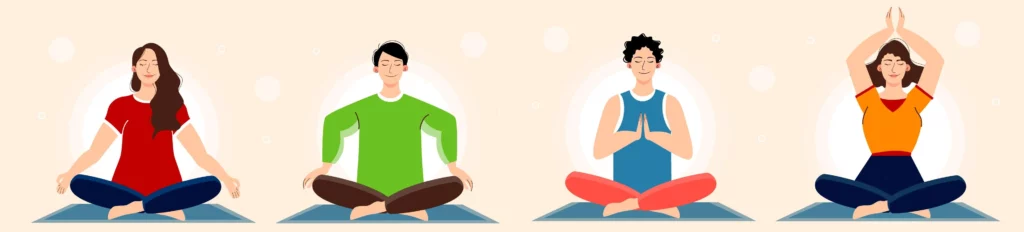
Performing Sukhasana is really simple, but it does require some attention to detail to reap all its benefits. Here’s a step-by-step guide to help you get it right:
Step-by-Step Instructions
- Find a Comfortable Space:
Choose a quiet and clean spot where you can sit undisturbed. A flat surface or a yoga mat works best. - Sit with Your Legs Crossed:
Sit on the floor and cross your legs in front of you. If you feel discomfort, you can use a folded blanket under your sit bones for extra cushioning. - Align Your Spine:
Sit up straight with your back fully extended. Imagine a string pulling you up from the top of your head, aligning your spine perfectly. This helps in maintaining a good posture. - Place Your Hands on Your Knees:
Rest your hands gently on your knees or thighs, whichever feels more natural to you. You can either let your palms face upwards or downwards, depending on what makes you feel more relaxed. - Close Your Eyes and Focus on Your Breath:
Gently close your eyes and start to take slow, deep breaths. Feel the rise and fall of your chest. This is the most important part of the pose because it helps you enter a state of mindfulness. - Relax and Hold the Pose:
Try to hold the pose for at least 5 to 10 minutes initially. As you get more comfortable, you can extend the duration. Just focus on staying relaxed and keeping your breath steady.
Tips for Beginners
- Use Props: If you find sitting on the floor uncomfortable, use a cushion or a yoga block to support your hips.
- Be Patient: Don’t worry if you can’t sit in Sukhasana for a long time at first. Start with a few minutes and gradually increase your practice.
- Stay Relaxed: The goal is not to force your body into a perfect position but to feel comfortable and at ease. Over time, your flexibility and endurance will improve.
- Practice Regularly: Consistency is key in yoga. Even spending a few minutes each day in Sukhasana can make a big difference.
Common Mistakes to Avoid
- Rounding the Back: Always ensure that your back is straight. Rounding your back not only reduces the benefits of the pose but can also cause discomfort.
- Holding Your Breath: Remember to breathe slowly and deeply. Holding your breath can lead to tension and defeat the purpose of relaxation.
- Forcing the Position: If you feel pain, don’t push yourself too hard. Sukhasana is meant to be an easy, relaxing pose, so it should never cause strain.
Incorporating Sukhasana into Your Daily Routine
Integrating Sukhasana into your everyday schedule can be super beneficial. Here are some practical ideas to help you make it a habit:
Creating a Daily Practice
- Morning Meditation:
Start your day with 5-10 minutes of Sukhasana. Sitting quietly in the early morning can help set a calm tone for the day ahead. - Study Breaks:
During long study sessions or while preparing for exams, take short breaks. A quick session in Sukhasana can help clear your mind and boost concentration. - Evening Wind-Down:
Before going to bed, spend a few minutes in Sukhasana to relax and unwind. This can improve your sleep quality and help you de-stress from the day. - Workplace Routine:
If you have a desk job, try to incorporate a mini meditation session during your lunch break. Even five minutes of Sukhasana can reduce the physical strain from sitting too long.
Combining Sukhasana with Other Practices
- Mindfulness Meditation:
Sukhasana is a perfect starting point for practicing mindfulness meditation. Once you are comfortable in the pose, focus on your breathing and try to clear your mind. This can help you become more aware of your thoughts and emotions. - Deep Breathing Exercises:
Pairing Sukhasana with pranayama (breathing exercises) can further enhance its benefits. Techniques like Anulom Vilom or simple deep breathing can increase oxygen flow and promote relaxation. - Yoga Sequences:
Incorporate Sukhasana at the beginning or end of your yoga routine. It works well as a transition pose between more active sequences and a final meditation or relaxation session.
Overcoming Common Challenges
- Discomfort in Sitting:
If sitting on the floor is too uncomfortable, try sitting on a cushion or a folded blanket. This extra support can make the pose much more accessible. - Lack of Time:
You might think you don’t have time for yoga, but even a few minutes of Sukhasana can make a difference. Start small and gradually build up your practice. - Staying Focused:
It’s natural for your mind to wander. When this happens, gently bring your attention back to your breath without getting frustrated.
Real-life Experiences and Tips
Let me share some real-life experiences and tips that show just how effective Sukhasana can be in our daily lives:
Personal Stories
- A Student’s Testimony:
Ritu, a 17-year-old student from Mumbai, says, “I started practicing Sukhasana during my exam preparations. At first, it felt odd to just sit and breathe, but over time, I noticed I was less anxious and could concentrate better during my studies. It really helped me manage the stress of exams!” - Office Worker Relief:
Amit, who works in a busy office in Delhi, shares, “Sitting at a desk all day was taking a toll on my back and causing headaches. I began taking short breaks to sit in Sukhasana, and honestly, it made a huge difference. I felt more relaxed and my posture improved noticeably.” - A Teacher’s Insight:
Mrs. Sharma, a yoga teacher from Kolkata, often recommends Sukhasana to her students, especially beginners. She explains, “Sukhasana is not just a physical posture but a gateway to inner peace. Even if you can’t sit perfectly still at first, the effort itself brings awareness and calm to your mind.”
Practical Tips from the Community
- Start with Guided Meditations:
Many beginners find it helpful to use guided meditation apps or videos while in Sukhasana. This can provide structure and help maintain focus. - Keep a Yoga Journal:
Tracking your progress, even if it’s just noting how you felt after each session, can be motivating and help you see the benefits over time. - Practice with Friends:
Sometimes, doing yoga with friends or in a group can make the experience more enjoyable. Sharing experiences and challenges can also help you learn new techniques or adjustments.
Conclusion
In conclusion, Sukhasana is more than just an easy pose—it’s a simple yet profound practice that can transform your daily life. From improving your posture and boosting blood circulation to reducing stress and enhancing mindfulness, Sukhasana offers a wide range of benefits for both the body and the mind. Whether you are a high school student feeling overwhelmed by exams or a working professional needing a break from a hectic schedule, this pose can be a great addition to your routine.
By incorporating Sukhasana into your daily practice, you can build a foundation for better mental clarity and physical well-being. Remember, the beauty of this pose lies in its simplicity. Even if you’re short on time, a few minutes spent in Sukhasana can help you reconnect with yourself and bring a sense of calm into your day. So why not give it a try? Roll out your mat, find a quiet spot, and take that first step toward a more mindful and balanced life.
Ultimately, yoga is a journey of self-discovery, and Sukhasana is a wonderful starting point. As you continue to practice, you may find that this easy pose not only alleviates physical tension but also helps you deal with the emotional ups and downs of everyday life. So, stay patient, be consistent, and most importantly, enjoy the process. Happy practicing, and may you find ease and happiness in every moment of your journey!
By embracing Sukhasana as part of your routine, you are not only investing in your physical health but also nurturing your mental and emotional well-being. It’s amazing how such a simple pose can lead to significant improvements in your overall quality of life. So, take a deep breath, relax, and let Sukhasana guide you to a more mindful, balanced, and joyful life.
Remember, every small step counts. Whether you’re just starting out or you’ve been practicing for years, Sukhasana reminds us that sometimes, the simplest poses hold the greatest power. Namaste!