
Discover the Health Benefits of Paschimottanasana
Discovering Paschimottanasana
Have you ever felt like your back is tight or that your mind is just overloaded with stress from school and daily life? Well, Paschimottanasana, also known as the seated forward bend, might just be the perfect solution to help you relax and stretch out. Originating from ancient yoga traditions in India, this asana has been practiced for centuries by yogis who believed in the power of combining body, mind, and breath.
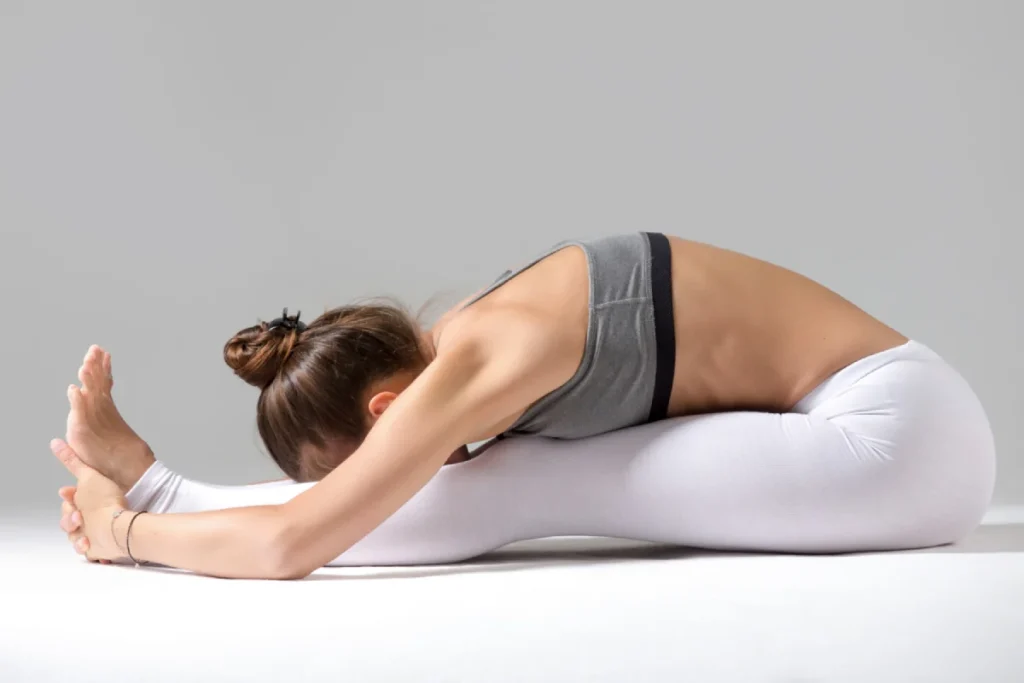
Paschimottanasana isn’t just a fancy name – it literally means “intense stretch of the west” in Sanskrit, where “pashchim” refers to the back of the body and “ottanasana” means an intense stretch. In our busy lives, especially here in India where academic and social pressures are high, taking a few minutes to perform this asana can do wonders. It helps in calming the mind, reducing stress, and improving flexibility. Honestly, it’s like giving your body and brain a mini-vacation!
In this article, we will dive deep into everything you need to know about Paschimottanasana. We’ll start by exploring its history and significance, then move on to a simple step-by-step guide so that even beginners can follow along. I’ll also share some cool research-based facts on how this pose benefits your health, along with tips, common mistakes to avoid, and even some variations that suit different levels of flexibility. So, if you’re ready to embark on a journey towards a healthier, more relaxed you, keep reading – this guide is for you!
History and Origins of Paschimottanasana
Paschimottanasana has a rich history rooted in the ancient practices of yoga. Originating in India, this pose has been mentioned in classical yoga texts like the Hatha Yoga Pradipika and Gheranda Samhita. Traditionally, it was seen not just as a physical exercise but as a way to harmonize the mind and body. The ancient yogis believed that by bending forward and reaching towards the feet, one could symbolically surrender all worries and stress to the earth.
You see, in our culture, yoga is more than just a set of physical exercises – it’s a way of life. Paschimottanasana was often practiced in the early mornings to set a calm and balanced tone for the day. In many traditional Indian households, especially in rural areas, elders would guide young ones through these poses as a way to promote discipline and inner peace. Even today, research from institutes like the Indian Council of Medical Research (ICMR) has shown that yoga can reduce stress hormones and improve overall well-being.
Historically, this pose has also been linked with stimulating the digestive system and calming the nervous system. Studies have indicated that regular practice of Paschimottanasana can help improve blood circulation, reduce anxiety, and even alleviate symptoms of mild depression. When you think about it, this simple stretch is like a bridge between our busy modern lives and the age-old wisdom of mindfulness and balance.
It’s interesting to note that while many people in the West now practice yoga for physical fitness, in India, the mental and spiritual benefits still hold a special place. The practice of Paschimottanasana is often accompanied by deep, mindful breathing, which further enhances its calming effects. So, whether you’re a student stressed out by exams or someone looking to find a bit of inner peace, this asana offers a well-rounded approach to wellness.
How to Perform Paschimottanasana: A Step-by-Step Guide
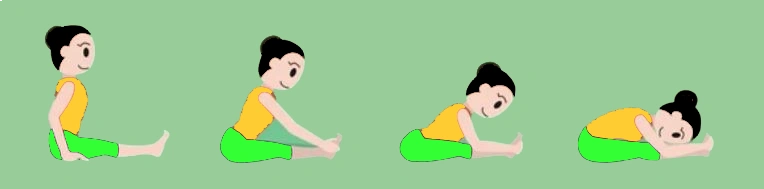
Now that we’ve talked a bit about the history, let’s get practical. Here’s a simple step-by-step guide to help you perform Paschimottanasana correctly. Remember, it’s important to listen to your body and not force any movements, especially if you’re a beginner.
Preparation:
- Find a Quiet Space: Choose a calm area where you won’t be disturbed.
- Wear Comfortable Clothing: Loose, stretchable clothes are best for yoga practice.
- Use a Yoga Mat: This provides cushioning and helps prevent slipping.
Step-by-Step Instructions:
- Sit on the Floor:
Sit with your legs stretched out straight in front of you. Keep your back straight and your toes pointing upward. - Inhale and Lengthen:
Sit up tall, and as you inhale, lengthen your spine. Imagine a line running from the top of your head down to your feet. - Exhale and Bend Forward:
Slowly bend forward from your hips, keeping your back as straight as possible. Don’t worry if you can’t reach your feet initially – just go as far as you comfortably can. - Hold Your Feet or Legs:
If possible, hold onto your feet. If not, you can place your hands on your shins or use a yoga strap around your feet to gently pull yourself deeper into the stretch. - Relax Your Neck and Shoulders:
Let your head drop naturally and relax your shoulders. Focus on breathing slowly and deeply.“Breathe in calm, breathe out stress,” as many yoga teachers like to say! - Maintain the Pose:
Hold the position for about 30 seconds to a minute, or even longer if you feel comfortable. With each exhale, try to deepen your stretch a bit more. - Release Slowly:
When you’re ready to come out of the pose, gently lift your torso back up while inhaling. Take your time to avoid any sudden movements.
Tips for a Better Stretch:
- Keep Your Legs Active: Think of your legs as engaged even though they’re relaxed.
- Don’t Rush: Flexibility comes with time. It’s totally okay if you can’t reach your feet right away.
- Use a Strap if Needed: Especially useful for beginners or anyone with tight hamstrings.
By following these steps, you can safely enjoy the full benefits of Paschimottanasana. Remember, it’s perfectly fine to have days when your body doesn’t stretch as far as it did before. Consistency is key, and over time, you’ll notice improvements in both flexibility and mental calmness.
Health Benefits of Paschimottanasana: More Than Just Flexibility
Paschimottanasana is celebrated not only for its ability to improve flexibility but also for its impressive range of health benefits. Let’s take a closer look at why this asana is so popular among both beginners and seasoned practitioners.
1. Enhances Flexibility and Strengthens the Spine
One of the most obvious benefits of Paschimottanasana is the improved flexibility it brings, particularly to the hamstrings and spine. When you bend forward, you stretch the back muscles and gently massage the spinal column. This can help reduce stiffness and increase overall mobility. Studies have shown that regular stretching exercises, like this pose, can help prevent lower back pain—a common complaint among students who sit for long hours.
2. Promotes Better Digestion
Have you ever felt a bit sluggish after a heavy meal? Paschimottanasana is known to stimulate the digestive organs. The forward fold compresses the abdominal area slightly, which can aid in digestion and help relieve symptoms of constipation. Traditional yoga practitioners believe that this pose massages the intestines, thereby promoting smoother digestion.
3. Reduces Stress and Calms the Mind
One of the coolest things about Paschimottanasana is its ability to soothe the mind. By focusing on your breath and the slow, deliberate movements, you create a meditative state. This can help reduce anxiety and stress, much like a mini meditation session. Research published in various psychology journals supports the idea that mindfulness practices, including yoga, can lower stress levels and improve overall mental health.
4. Improves Blood Circulation
Regular practice of this asana can also improve blood circulation, especially in the lower back and legs. Enhanced circulation means more oxygen and nutrients are delivered to these areas, which is crucial for muscle recovery and overall health. Improved blood flow is often linked to reduced muscle soreness and better endurance.
5. Strengthens the Nervous System
By incorporating deep breathing techniques, Paschimottanasana also benefits the nervous system. The controlled breathing helps calm the sympathetic nervous system (which governs our fight or flight response), allowing the parasympathetic system to take over. This balance can lead to improved sleep patterns and a general sense of well-being.
6. Aids in Relaxation and Meditation
For those interested in meditation, Paschimottanasana can serve as a great preparatory pose. It helps calm the mind and encourages a focused, inward look. The deep stretch can create a sense of release, making it easier to transition into deeper meditative states. Many yoga enthusiasts use this pose as a starting point before sitting for a meditation session.
7. Boosts Energy Levels
Even though it might look like you’re just lying there, this forward bend actually helps boost energy. The improved circulation and relaxation of tense muscles can lead to a refreshed feeling afterward. This is particularly helpful for students or anyone who feels drained after long periods of sitting or studying.
In summary, Paschimottanasana is more than just a physical stretch—it’s a holistic practice that benefits the body, mind, and spirit. Whether you’re looking to relieve stress, improve digestion, or simply enhance your flexibility, incorporating this asana into your routine can make a big difference over time. Plus, it’s a great way to take a break from the hectic pace of daily life and reconnect with yourself.
Tips, Precautions, and Common Mistakes
While Paschimottanasana is an amazing pose, it’s important to practice it safely to avoid injuries. Here are some useful tips, precautions, and common mistakes that you might want to keep in mind:
Helpful Tips:
- Warm-Up First:
Always warm up your muscles with light stretching or a short walk before diving into deeper poses. This helps prevent injuries. - Focus on Your Breath:
Deep, slow breaths are key. Breathe in as you lengthen your spine and breathe out as you gently fold forward. - Use a Prop if Needed:
If your hamstrings are really tight, consider using a yoga strap or even a towel. Wrap it around your feet to help you gradually deepen the stretch. - Stay Consistent:
Like anything worth doing, consistency is important. Even if you can’t go very deep at first, regular practice will gradually improve your flexibility.
Precautions:
- Avoid Overstretching:
It’s easy to get carried away and force your body into a deeper stretch than it’s ready for. This might lead to strains or injuries, especially in your lower back and hamstrings. - Listen to Your Body:
If you feel pain (beyond the normal stretch discomfort), stop immediately. It’s totally ok to take it slow and build up over time. - Posture is Crucial:
Maintaining a straight back during the initial phase of the pose is important. Rounding your back too much can lead to injury, particularly if you’re trying to reach your feet. - Pregnancy Considerations:
Pregnant women should consult a doctor before performing Paschimottanasana, as the forward bend might not be suitable during certain stages of pregnancy.
Common Mistakes to Avoid:
- Rushing the Process:
Many beginners try to reach their feet in the first attempt. Remember, yoga is a journey. It’s okay if you can’t touch your toes right away. - Incorrect Hand Placement:
Don’t force your hands into positions that feel unnatural. Whether you choose to hold your feet, ankles, or use a strap, make sure it feels comfortable and supportive. - Neglecting Breathing:
Often, people focus too much on the physical aspect and forget to breathe properly. The breath is as important as the pose itself, so try not to hold your breath. - Forgetting to Relax:
After you reach your maximum stretch, it’s important to relax into the position rather than tensing up further. The goal is to allow your muscles to loosen gradually.
By keeping these tips in mind and avoiding common pitfalls, you can practice Paschimottanasana safely and effectively. Remember, every body is different, so what works for one person might not work for another. Be patient, and soon you’ll find your own comfortable version of this enriching asana.
Variations and Modifications of Paschimottanasana for All Levels
Not everyone has the same level of flexibility, and that’s completely alright. Paschimottanasana can be modified to suit beginners as well as advanced practitioners. Here are some variations that you can try:
Beginner Variations:
- Seated Forward Bend with a Strap:
If you find it hard to reach your feet, loop a yoga strap or towel around the soles of your feet. Hold onto the strap and gently pull yourself forward. This reduces the strain and helps you gradually improve flexibility. - Bent Knee Variation:
For those with very tight hamstrings, try bending your knees slightly instead of keeping them fully straight. This modification eases the pressure on your lower back and allows you to feel a gentle stretch without discomfort.
Intermediate Variations:
- Extended Paschimottanasana:
Once you’re comfortable with the basic pose, try extending your arms further in front of you as you reach towards your toes. This not only deepens the stretch in your back but also improves the balance between your upper and lower body. - Holding the Pose Longer:
Gradually increase the time you hold the forward bend. Starting from 30 seconds, try working up to a minute or more. This helps in releasing deeper tension and improves endurance.
Advanced Variations:
- Deepening the Stretch:
Advanced practitioners can work on reaching even further by engaging more deeply with the pose. This may include slowly pulling the chest closer to the legs while keeping the back long and the head relaxed. It’s important to approach this variation with caution and proper warm-up. - Incorporating Dynamic Movements:
Some advanced yoga sessions include moving in and out of Paschimottanasana in a slow, controlled manner. This dynamic version can enhance flexibility and circulation even more. However, make sure to have a solid foundation in the basic pose before trying this.
Tips for All Levels:
- Listen to Your Body:
No matter what level you are at, the most important thing is to heed what your body tells you. If a variation causes discomfort or pain, it’s best to revert to a simpler form or take a break. - Regular Practice:
Even if you can only practice for a few minutes each day, consistency is key. With regular practice, your flexibility and strength will gradually improve, allowing you to explore more challenging variations over time. - Seek Guidance:
If possible, practice under the guidance of a qualified yoga instructor who can offer personalized advice and corrections. This is especially important when trying advanced variations to ensure you maintain proper alignment and avoid injury.
These variations make Paschimottanasana accessible to everyone. Whether you’re a beginner or have been practicing yoga for years, there’s always a way to modify the pose so that it meets your needs and helps you grow in your practice.
Conclusion: Embracing the Journey with Paschimottanasana
In conclusion, Paschimottanasana is much more than just a seated forward bend. It’s a versatile asana that offers physical, mental, and even spiritual benefits. From enhancing flexibility and stimulating digestion to reducing stress and calming the mind, this pose truly exemplifies the holistic nature of yoga.
By incorporating Paschimottanasana into your daily routine, you can start to notice improvements in your posture, blood circulation, and overall sense of well-being. Remember, yoga is a journey, not a destination. Every stretch, every deep breath, and every moment of mindfulness contributes to a healthier and more balanced you. So, whether you’re a student stressed out by exams or someone seeking inner peace, give this asana a try.
As you continue to practice, keep in mind that progress may be slow at times, but each effort counts. Embrace the imperfections, listen to your body, and let the calm energy of Paschimottanasana guide you towards a more relaxed and centered life. Start your journey today, and you might just find that a few minutes on the mat can make a big difference in how you feel every day.
Remember: Consistency and patience are key. As you explore and enjoy the benefits of Paschimottanasana, you’re not just stretching your body—you’re also nurturing your mind and spirit. So, roll out your mat, take a deep breath, and let the journey begin!