
Bhujangasana – A Comprehensive Guide for Beginners
Introduction
Ever wondered how a simple yoga pose could make a huge difference in your daily life? Well, Bhujangasana, also known as the Cobra Pose, might just be that game changer for you! This pose is a favorite among many yoga enthusiasts in India, especially for its ability to strengthen the back and improve flexibility. When I first heard about Bhujangasana in my school’s yoga class, I was curious to try it out. And honestly, it felt like a breath of fresh air to learn something that not only keeps your body fit but also calms your mind.
Bhujangasana is more than just a stretch; it’s an ancient practice with roots in traditional Indian yoga. This pose helps in opening up the chest and heart area, which can be really helpful if you spend long hours hunched over books or a computer. Research has shown that regular practice of yoga poses like Bhujangasana can relieve stress and even reduce symptoms of back pain. You see, with our busy school schedules and the constant pressure of exams, taking a few minutes to focus on our well-being can do wonders.
In this article, we are going to explore everything you need to know about Bhujangasana. We’ll dive into its origins, learn how to perform it correctly with a detailed step-by-step guide, and look at some cool modifications for beginners. We will also discuss the many health benefits backed by research and share real-life examples of how this pose has helped people. So, whether you’re a complete newbie to yoga or someone who wants to refine thier practice, this guide is just for you. Let’s begin our journey to a healthier back and a more relaxed mind with Bhujangasana!
History and Origins of Bhujangasana
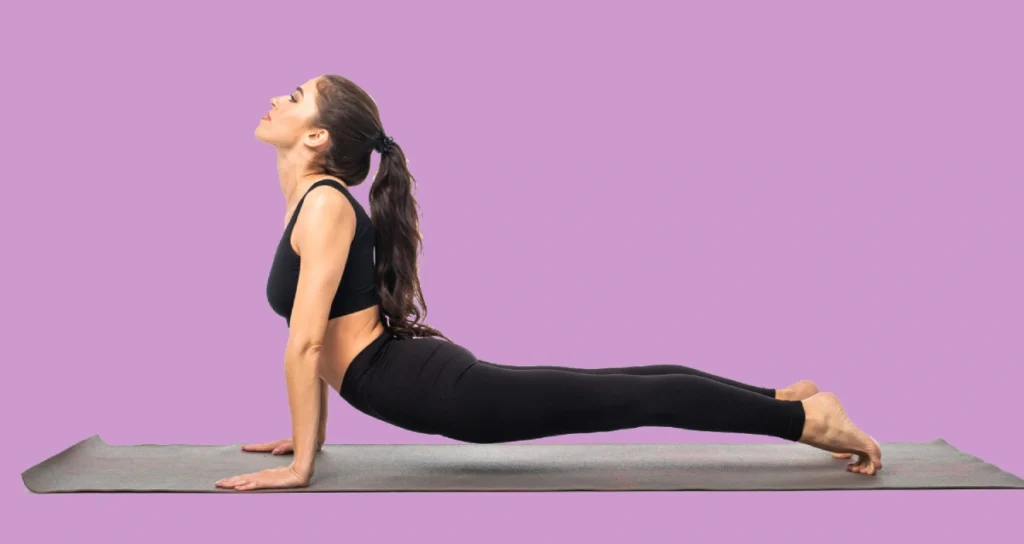
Bhujangasana, or the Cobra Pose, has been an integral part of traditional yoga for centuries. The word “Bhujangasana” comes from the Sanskrit words “bhujanga” meaning snake or cobra, and “asana” meaning pose or posture. This name perfectly captures the essence of the pose—mimicking the graceful yet powerful movement of a cobra rising from the ground.
Historically, ancient yogis practiced Bhujangasana not just for physical fitness but also to enhance their mental focus and spiritual well-being. They believed that the pose could help channel prana, or life energy, through the body. In many classical texts, it is mentioned as a vital posture that prepares the body for more advanced yoga practices. Today, while the modern world has adapted yoga in various ways, the fundamental benefits of Bhujangasana remain unchanged.
In India, where yoga has been a way of life for generations, Bhujangasana is taught from an early age. Schools and community centers often include it in their morning routines to kickstart the day with energy and positivity. Its accessibility makes it a favorite among all age groups. Whether you are a student, a working professional, or even a senior, Bhujangasana can be easily incorporated into your daily routine to help maintain a healthy spine and a relaxed mind.
How to Do Bhujangasana: Step-by-Step Instructions
Learning Bhujangasana is simple if you follow the right steps. Here’s a friendly, easy-to-understand guide to help you get started:
Preparation
Before you begin, it’s important to warm up a bit. This helps prevent injuries and gets your muscles ready for the stretch. A few simple warm-up exercises include:
- Cat-Cow Stretch: Helps in loosening up the spine.
- Shoulder Rolls: Relieves tension in the upper body.
- Light Stretching: Focus on your back and arms to prepare them for the pose.
Step-by-Step Guide
- Starting Position:
- Lie flat on your stomach on a comfortable yoga mat. Make sure your legs are extended, and the tops of your feet are resting on the mat.
- Place your hands on the mat under your shoulders, keeping your elbows close to your body.
- Lifting Up:
- Slowly press your hands into the mat and lift your chest off the floor. Imagine a gentle, smooth motion like a cobra rising up.
- Keep your elbows slightly bent, and avoid pushing too hard. Your shoulders should remain relaxed.
- Positioning:
- As you lift, focus on engaging your back muscles rather than just using your arms. This helps in strengthening the spine.
- Your hips should remain on the mat while your chest and head lift up. This is important to avoid straining the lower back.
- Holding the Pose:
- Hold the pose for about 15-30 seconds, breathing slowly and deeply.
- You can gradually increase the duration as you become more comfortable with the pose.
- Returning to the Starting Position:
- Slowly lower your chest back to the mat.
- Relax for a few seconds and then repeat if desired.

Tips for a Better Practice
- Focus on your breath: Inhale as you lift and exhale as you lower. This helps maintain a steady rhythm and makes the pose more effective.
- Stay relaxed: Avoid tensing up your neck or shoulders. Let the movement flow naturally.
- Practice on a soft surface: A yoga mat or a soft carpet can make the practice more comfortable.
Modifications and Variations for Beginners
Not everyone can do Bhujangasana perfectly on their first try, and that’s totally okay! Here are some modifications to help you ease into the pose:
Using Props
- Yoga Blocks:
Place a yoga block under your chest for extra support if you feel strained lifting fully off the ground. This reduces the intensity while still giving you the benefits of the stretch. - Folded Towel or Blanket:
If you don’t have a yoga block, a folded towel can work as well. It gives a bit of cushioning and support, especially for those with sensitive backs.
Partial Cobra Pose
- Half Lift:
Instead of lifting your chest high off the ground, try a partial lift. This is especially useful if you’re just starting out or if you experience any discomfort. Gradually work your way up as you build strength. - Modified Hand Position:
If placing your hands directly under your shoulders is too challenging, slide them a bit forward. This can help reduce the strain on your lower back and shoulders.
Additional Variations
- Cobra with Shoulder Opener:
For those who want to add a slight twist, try gently turning your head to one side as you lift. This variation can help stretch the side of your neck and improve overall flexibility. - Combined with Other Poses:
Some yogis like to transition from Bhujangasana to other back-bending poses like the Upward-Facing Dog. However, if you’re new, it’s better to stick with the basic Cobra Pose until you feel more confident.
Remember, it’s totally fine to take it slow. Yoga is a personal journey, and every little improvement counts. Don’t worry if you feel like you’re not doing it “perfectly” at first; what matters most is that you listen to your body and progress at your own pace.
Health Benefits of Bhujangasana
Bhujangasana isn’t just a fancy pose to show off in yoga class—it comes with a lot of health benefits, both physical and mental. Let’s take a closer look at some of these advantages:
Physical Benefits
- Strengthens the Back and Core:
By engaging the muscles in your back, Bhujangasana helps build a strong core, which is essential for good posture. A strong back also helps prevent injuries, especially if you sit for long hours in class or at a desk. - Improves Flexibility:
The pose stretches your chest, shoulders, and abdomen, making your upper body more flexible. Improved flexibility can help reduce muscle stiffness and prevent strains. - Enhances Blood Circulation:
Lifting your chest off the ground increases blood flow throughout the body. Better circulation means that oxygen and nutrients are delivered more efficiently to your muscles and organs. - Supports Spinal Health:
Regular practice of Bhujangasana can help improve the alignment and strength of your spine. This is particularly beneficial for people who experience lower back pain or discomfort. - Boosts Respiratory Function:
Opening up the chest can lead to better lung capacity and breathing. This is especially important during exams or sports, when you need every bit of energy and stamina.
Mental Benefits
- Reduces Stress and Anxiety:
The slow, controlled movement and deep breathing involved in Bhujangasana help calm the mind. Many students find that practicing this pose before studying or exams reduces their anxiety levels. - Enhances Mood:
Yoga releases endorphins—those feel-good hormones that naturally improve your mood. A few minutes of Bhujangasana can help you feel more positive and relaxed. - Increases Focus and Concentration:
When you focus on your breathing and body alignment, it becomes easier to clear your mind of distractions. This mental clarity can translate into better concentration in everyday tasks, whether it’s studying or playing sports. - Promotes Better Sleep:
With regular practice, the relaxation response from Bhujangasana can lead to improved sleep quality. A good night’s sleep is vital for overall health and academic performance.
Research-Backed Insights
Recent studies on yoga have shown that consistent practice of back-bending poses like Bhujangasana can help reduce chronic lower back pain. Researchers have found that yoga not only strengthens the muscles but also improves their endurance, thereby reducing the likelihood of injury. Moreover, some studies indicate that the stress-relieving aspects of yoga can be as effective as other relaxation techniques, making it a great tool for mental health management.
Tips and Common Mistakes in Practicing Bhujangasana
Even though Bhujangasana is relatively simple, there are a few tips and common mistakes to be aware of. Keeping these in mind can help you get the most out of your practice without risking injury.
Essential Tips
- Warm Up First:
Always start with a few warm-up exercises to loosen up your back and shoulders. This not only prevents injuries but also makes the pose more comfortable. - Focus on Your Breath:
Remember to breathe deeply throughout the pose. Inhale while lifting your chest and exhale as you lower it. This steady breathing keeps you relaxed and helps deepen the stretch. - Keep Your Movements Slow:
Avoid rushing through the pose. A slow, controlled motion allows you to better feel the stretch and engage the right muscles. - Use a Mirror:
If possible, practice in front of a mirror to check your alignment. It helps you see if your shoulders are relaxed and if your back is properly extended.
Common Mistakes
- Overstraining the Neck:
One of the most common mistakes is lifting your head too high, which can strain the neck. Keep your head in line with your spine and let your neck relax. - Using Only the Arms:
Relying solely on your arms to lift your body can lead to tension in the shoulders. Make sure you engage your back muscles as well. - Rushing the Process:
Some beginners try to hold the pose for too long without building the necessary strength. It’s better to start with shorter holds and gradually increase the duration. - Neglecting Modifications:
If the full pose feels too intense, don’t hesitate to use props or try a partial lift. Yoga is about progress, not perfection.
Real-World Experiences and Expert Opinions
You might be thinking, “Does Bhujangasana really work for everyone?” Honestly, many students and yoga practitioners in India have shared their own experiences with this pose. For instance, my friend Sameer mentioned that after starting a routine with Bhujangasana, he noticed a significant decrease in his back pain, which had troubled him during long study hours. He said it helped him relax better during exam stress too!
Many yoga teachers also recommend Bhujangasana for beginners. They emphasize that it is one of the most accessible back-bending poses, which not only prepares the body for more advanced yoga but also brings a lot of mental clarity. An expert at a local yoga center in Mumbai once explained that Bhujangasana stimulates the spine and opens up the chest, leading to improved oxygen flow throughout the body. This, in turn, helps in reducing stress and boosting overall energy levels.
In community yoga classes, people of all ages—from young students to older adults—find Bhujangasana very effective. For seniors, the gentle back stretch helps in maintaining mobility and reducing the risk of falls, while for youngsters, it provides a quick and efficient way to relieve stress and refresh the mind. These real-world examples clearly show that Bhujangasana can be adapted to suit different fitness levels and age groups, making it a truly inclusive yoga practice.
Conclusion
In conclusion, Bhujangasana, or the Cobra Pose, is a simple yet powerful yoga asana that offers a wide range of benefits. Whether you’re looking to strengthen your back, improve your flexibility, or simply reduce stress, this pose has got you covered. With its ancient roots in traditional Indian yoga and modern research backing its benefits, Bhujangasana is a must-try for anyone interested in a healthier lifestyle.
As you practice Bhujangasana, remember to go at your own pace. Don’t worry about getting it perfect on the first try. Use modifications if needed, focus on your breath, and let the pose work its magic gradually. A few minutes of regular practice can lead to noticeable improvements in posture, stress relief, and overall well-being. So, grab your mat, find a quiet spot, and give Bhujangasana a try. Who knows? It might just be the start of a wonderful journey towards a healthier back and a calmer mind.
Honestly, every little step you take in yoga counts. Even if you stumble a bit, just get back up and try again. Yoga is all about progress, not perfection. So, let’s embrace the simplicity and effectiveness of Bhujangasana and let it bring a positive change in our daily lives. Happy practicing!
By following the tips and guidelines in this guide, you can master Bhujangasana and enjoy its many benefits. Remember, consistency is key. Even if you’re busy with school or other activities, setting aside a few minutes each day for yoga can help you maintain a balanced, healthy lifestyle. So, start today, and soon enough, you’ll feel the transformative power of the Cobra Pose in both your body and mind.