
Navasana: Building Core Strength and Mental Clarity for humans
Namaste, everyone! Okay, imagine this: last week in class, Ravi tried Navasana and said, “Ma’am, I feel like a boat rocking on water!” We all smiled so much—he’s right, you know. Navasana, or Boat Pose, makes you feel strong and light, like you’re floating. I’m your yoga teacher, just a friend who loves sharing poses, and today I’m so happy to tell you about this one. It’s perfect for us students, believe me!
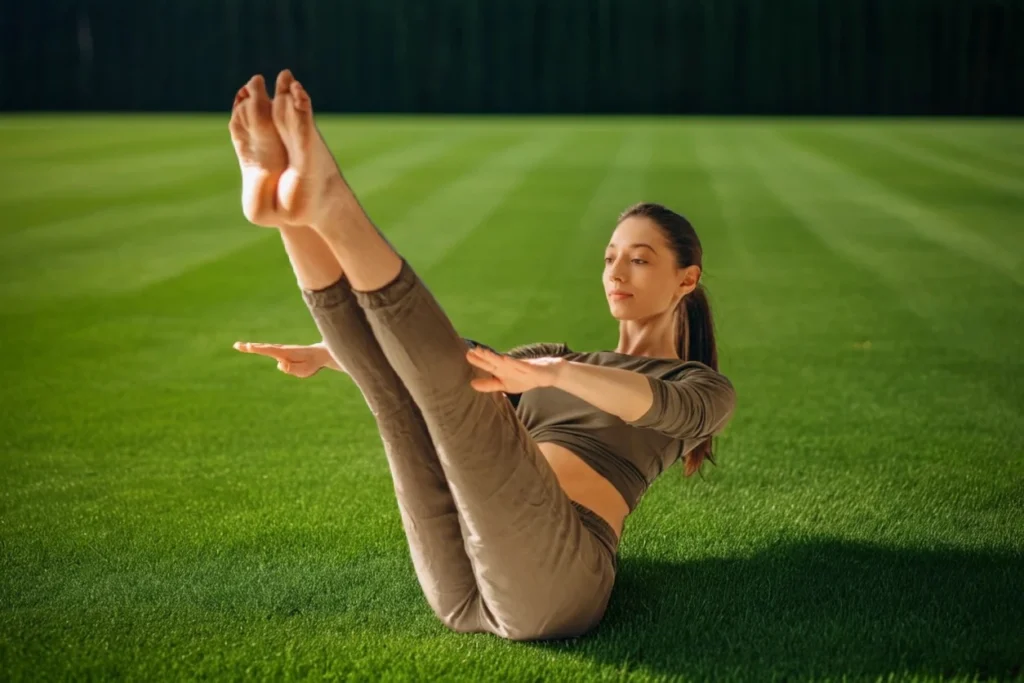
So, what’s Navasana? In Sanskrit, “Nava” means boat and “asana” means pose. Picture yourself balancing like a boat on a lake—steady and calm. It’s a sitting pose that looks hard but feels amazing. I’ll tell you why it’s great—like stronger tummy and less stress—how to do it step-by-step, and some neat facts I found. Plus, who should skip it (don’t worry, I’ve got ideas for them too). Let’s get started!
Benefits—and What Navasana Helps
Listen, Navasana is like a treasure for your body! Here’s why I teach it:
- Strong tummy: We sit a lot, right? This pose works your stomach muscles. My student Meera says she feels tougher now!
- Less stress: Exams making you tense? Navasana calms you down. Ravi says it’s like a break for his mind.
- Better balance: It helps you sit steady—good for long classes!
- Stronger back: It fixes your spine—perfect after slouching over books.
- Helps digestion: It presses your tummy—say bye to heavy feelings after lunch.
Doctors say it’s good for things like weak digestion and even mild anxiety. It works your core muscles—like rectus abdominis—and stretches your back. Feel lazy? Navasana says, “Relax, I’ll wake you up!”
Test Your Knowledge
How to Do Navasana—Step-by-Step
Let’s do it together, like in class! Here’s how to do Navasana:
- Sit down: On your mat, legs straight in front. Sit tall, like a captain!
- Lift legs: Bend your knees, lean back a bit, and lift your feet off the ground. Point your toes up.
- Balance: Rest on your sitting bones—not your back! Keep your chest open.
- Arms up: Stretch your arms forward, parallel to the floor—like rowing a boat.
- Hold it: Stay for 3-5 breaths. Feel your tummy working? So good!
- Rest: Lower your legs slow, lie back, and take a breath—you did it!
Tips: If it’s tough, keep knees bent—my little secret. Hold a strap around your feet if arms shake. Imagine you’re a boat floating easy—steady and happy!
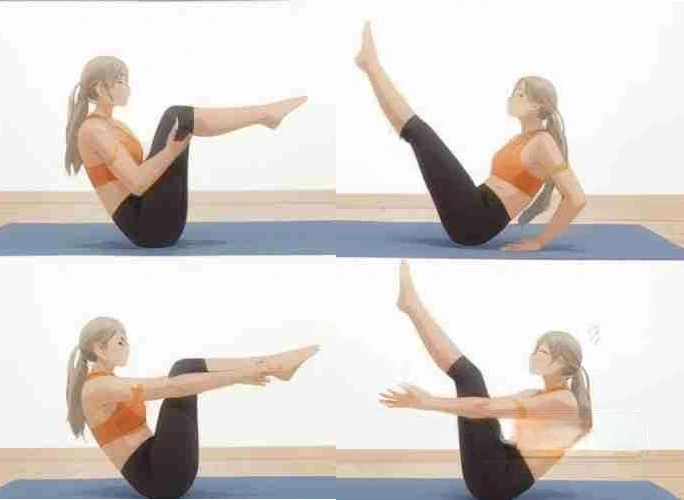
Related Poses and Sequencing for Navasana
Making Boat Pose Feel Right in Your Practice
So, you’re working with Boat Pose (Navasana)? Cool! It’s a strong one. Sometimes it helps to think about what you do right before and right after it, so it feels like part of a bigger picture, you know?
Warming Up to It:
Think about Staff Pose (Dandasana) first. Before you even try to lift your legs for Boat, just sit on the floor. Legs straight out, sit up nice and tall. It sounds simple, but taking a moment here really helps get your back ready and reminds your body what ‘straight’ feels like. It’s like lining things up before you go for the tricky balancing part.
Maybe an Easier Version First?
If full Boat feels like a big ask right away, there’s always Half Boat (Ardha Navasana). That’s the one where you lean back and lift your feet, but you keep your knees bent, so your shins are flat, like a little tabletop. It still makes your tummy muscles work, but it’s definitely less intense. It can be a good step just before trying the full pose, or maybe it’s just what feels right for you today.
Don’t Forget to Relax After!
And after you’ve held Boat Pose – putting in that effort – ahh, Corpse Pose (Savasana) feels so good. Seriously, just lying flat on your back, letting everything go floppy, gives your body a chance to absorb what you just did. All that work in your core gets a chance to settle, and you get to just feel calm and rested. It’s super important.
Putting it Together Simply:
So, a nice little flow could just be:
Sit tall in Staff Pose for a few breaths -> Lift into Boat (or Half Boat) and hold it -> Then gently lower down and relax completely in Corpse Pose.
It’s kind of a mini-journey: get ready, do the work, then rest. Trying it this way might help you feel strong from the pose and really peaceful afterwards. Give it a shot and see how it feels for you.
Consolidated Precautions: Who Should and Shouldn’t Do Navasana
I care for you all, so let’s talk safety:
- Don’t try if: You have tummy pain—like ulcers—or back injuries. Pregnant? Not safe, it presses your stomach. Neck hurt? Skip it—lifting strains it.
- Why: It squeezes your core and needs balance. If something’s weak, it can hurt.
- Do instead: Back issues? Try Cat-Cow. Tummy sensitive? Sit in Sukhasana.
Change it—keep feet on the ground if lifting is hard. Be gentle with yourself!
What to Remember—and Avoid in Boat pose
Before you stop, hear this:
- Do: Breathe deep—don’t hold it like you’re underwater! Keep your back straight—it’s the key.
- Don’t: Push too much—if it hurts, rest. No rounding your back; boats don’t sink!
Lift with care, not force. That’s how it feels best.
Research on Navasana Yoga Pose Benefits in the United States
I found some smart facts! Studies say Navasana is super:
- Core strength: A 2019 study in Journal of Strength and Conditioning Research says it builds tummy power—great for active teens!
- Stress relief: Yoga Journal (2021) found it lowers tension—perfect for busy students in the United States!
- Better posture: A 2020 study in International Journal of Yoga says it helps your spine—good for desk life.
Science likes it! I told my class, and they call it “boat strength” now!
Integrating Navasana into Your Routine for US Students
Okay, let’s make Navasana part of your day! It’s not just for class—it’s for life. We sit so much—school, buses, screens—and our tummies get soft. Navasana makes them strong, so you feel fit. Meera said, “Ma’am, I can carry my bag easier now!”
What about stress? After homework or before a big test—like those finals in the United States—your mind races. Do Navasana—it’s like a calm wave. Ravi tried it before his science quiz and said, “I didn’t feel so nervous!” Even after sitting all day, it wakes you up—perfect for long school hours.
Time is short—classes, projects, friends! But Navasana is fast. Morning, before you leave, do it for 5 minutes—start your day strong. Or evening, after school, lift for 2 minutes to relax. During study breaks, when your back’s tired, sit up, do it quick, and feel new. Weekends, try 10 minutes—maybe with a friend online from the United States!
It helps your mind too. Balancing keeps you sharp—like for math tests. Feel worried? Lift into Navasana, breathe, and let it go. It’s like a quiet corner in a busy day.
Want more? Start with bent knees, then straighten legs slow. Don’t rush—if it’s sore, stop. I say, “Be a boat, not a storm!” Make it fun—see who holds it longest in class!
So, Navasana is your daily friend—strong core, calm mind, easy to fit in. Start small, feel it, and tell me how it helps!
Conclusion to Navasana Yoga Benefits for Beginners in the United States
Okay, friends, let’s finish! Navasana is your trick for a strong tummy, steady mind, and big energy. It fixes slouchy backs, helps you focus, and makes you feel like a boat—light and free. Ravi’s still laughing about his “rocking boat,” and I love that! I see you trying in class, so take it home too. Start easy, lift up, and tell me next time—did it work?
This goes on our website (with that ads.txt file ready), so keep the font clear and lines spaced—easy to read. I like keeping it simple and fun. Who’s ready to float like a boat? Navasana is waiting!
#Navasana #BoatPose #StudentYoga #CoreStrength #YogaForStudents #StudyStressRelief #YogaBenefits #MindfulStudents #YogaForFocus #USStudentsYoga