
Child’s Pose Balasana: A Gentle Path to Relaxation and Flexibility
Ever felt super stressed after a long day at school or when thier homework piles up? Have you ever wondered if there’s a simple way to calm both your mind and body? Well, you’re in luck because Child’s Pose Balasana might just be the answer you’ve been looking for! This gentle yoga pose is not only easy to learn but is also famous for helping people relax and improve their flexibility.
In this article, I’m going to share everything about Child’s Pose Balasana in a very simple and friendly way. We will dive into what exactly this pose is, how you can do it step-by-step, and why so many people, including students and even busy professionals, are turning to it for stress relief and overall well-being. I’ll also bring in some cool research facts and real-world examples that show how this pose can make a real difference in our daily lives.
You see, yoga has become super popular all over the world, and Child’s Pose Balasana is one of those poses that beginners can really benefit from. It’s like giving your body a gentle hug—calming, soothing, and perfect for when you need a break. Plus, it’s so simple that you can do it almost anywhere, whether at home, in a park, or even in a quiet corner of your school. So, grab your yoga mat (or even just a soft rug), and let’s explore the amazing world of Child’s Pose Balasana together!
Test Your Knowledge
What is Child’s Pose Balasana?
Child’s Pose Balasana is a gentle resting pose in yoga. It is often used as a break between more challenging asanas or even as a start to a yoga session. The word “Balasana” comes from the Sanskrit word “bala,” which means “child.” This pose is like a moment of calm where you can let your body relax and your mind slow down.
A Brief History
Child’s Pose has been practiced for many centuries in India as a part of traditional yoga. Over time, it became popular all around the world because of its amazing benefits. Although it is a simple pose, it carries a deep meaning—one of surrender, relaxation, and rejuvenation. Many yoga teachers believe that this pose helps you reconnect with your inner self, making it a perfect pose for beginners and experienced yogis alike.
The Essence of the Pose
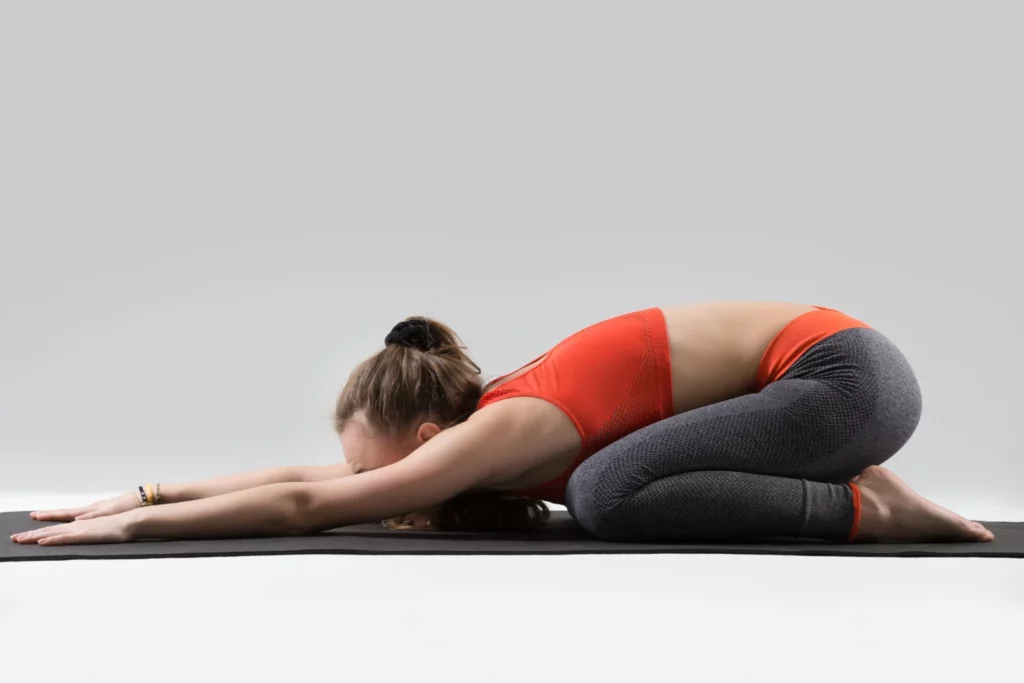
When you perform Child’s Pose, you typically kneel on the floor, sit back on your heels, and then gently lower your upper body forward. Your arms can be stretched out in front of you or placed alongside your body. The pose is all about relaxation, and you’re encouraged to breathe deeply as you sink into the stretch. It’s a bit like taking a mini-break where you can let go of all your worries, even if it’s just for a few moments.
Benefits of Child’s Pose Balasana
Child’s Pose Balasana is not just a pretty position to look at—it comes with a host of benefits for both the body and the mind. Here, I’m going to break down some of the key advantages of practicing this pose regularly.
Physical Benefits
- Flexibility and Stretching: One of the main benefits of Child’s Pose is that it gently stretches the back, hips, and thighs. This can help improve your overall flexibility, which is really important if you spend long hours sitting in class.
- Relieves Back Pain: Many people experience lower back pain because of long study sessions or sitting for too long. By stretching the muscles of your back, Child’s Pose can help ease that pain and tension.
- Improves Posture: Regular practice of this pose can help correct your posture by releasing tight muscles and reducing stress on your spine.
- Enhances Circulation: When you relax in Child’s Pose, your blood flow improves, which is beneficial for your overall health.
- Muscle Relaxation: This pose encourages the muscles to relax fully, making it a great remedy after a strenuous day of physical activities.
Mental and Emotional Benefits
- Stress Relief: Honestly, one of the best parts about Child’s Pose is how it helps reduce stress. When you practice this pose, you focus on your breath, which naturally calms the mind.
- Encourages Mindfulness: By concentrating on your body and your breathing, you become more present in the moment. This mindfulness can help you manage anxiety and improve concentration.
- Promotes Relaxation: The pose is like a mini-vacation for your mind. It provides a peaceful pause in the middle of a hectic day, allowing you to recharge and refocus.
- Improves Sleep Quality: Many people report that practicing Child’s Pose before bed helps them fall asleep more easily and enjoy a deeper sleep.
Research-Backed Facts
There have been several studies that show yoga can help reduce stress and anxiety. For instance, research in the Journal of Alternative and Complementary Medicine found that regular yoga practice could lower stress hormones and enhance mood. Although the study didn’t focus exclusively on Child’s Pose Balasana, the calming nature of this pose makes it an excellent addition to any yoga routine aimed at reducing anxiety.
Another study, published in Complementary Therapies in Medicine, highlighted that yoga, in general, helps improve flexibility, balance, and mental clarity. Given that Child’s Pose is a foundational pose in many yoga practices, it clearly plays a role in these positive outcomes. These research insights support what many practitioners have experienced firsthand: a simple pose can lead to big changes in your health and well-being.
How to Practice Child’s Pose Balasana
Now that you know what Child’s Pose Balasana is and why it’s so beneficial, let’s get into how you can actually perform this pose. It’s really simple, and even if you’re new to yoga, you’ll find it easy to follow.
Step-by-Step Guide
- Find a Comfortable Space:
Choose a quiet and soft spot, like on a yoga mat or a thick carpet. Make sure there’s enough room for you to move freely. - Start on Your Knees:
Sit on your knees with your big toes touching and your knees slightly apart. This position helps create a stable base for the pose. - Lower Your Torso:
Slowly bend forward, lowering your torso towards the ground. Try to keep your forehead touching the mat if possible. If it doesn’t reach, that’s okay—do what feels comfortable. - Extend Your Arms:
Stretch your arms out in front of you with your palms facing down. This not only helps deepen the stretch but also improves your balance. - Relax and Breathe:
Close your eyes if you like and take slow, deep breaths. Feel the stretch in your back and hips and let your body relax with each exhale.
Tip: If you feel any discomfort, adjust the position of your arms or widen your knees a little. - Hold the Pose:
Stay in this position for at least 30 seconds. As you get more comfortable, you can gradually extend the time. Remember, it’s all about relaxing and not pushing too hard.
Variations for Beginners
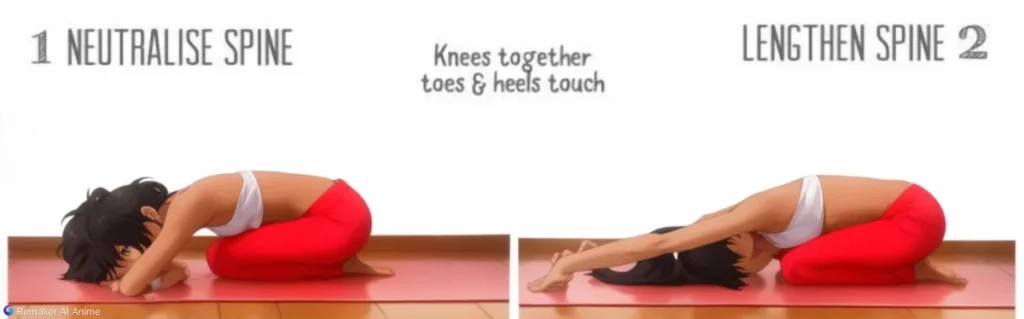
- Use a Bolster or Pillow:
If you find it hard to lower your torso all the way to the mat, place a bolster or a firm pillow between your chest and the floor. This makes the pose more accessible and comfortable. - Support Under the Head:
Some people like to put a folded towel under their head for extra cushioning. This is especially helpful if you’re feeling a bit of neck strain. - Knee Width Adjustments:
You can experiment with how wide apart your knees are. A wider stance might give a deeper stretch in the hips, while a narrower stance can be more comforting if you’re new to yoga.
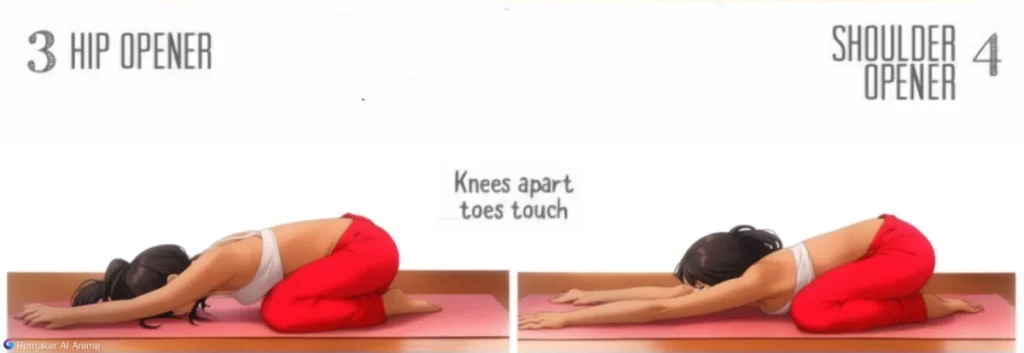
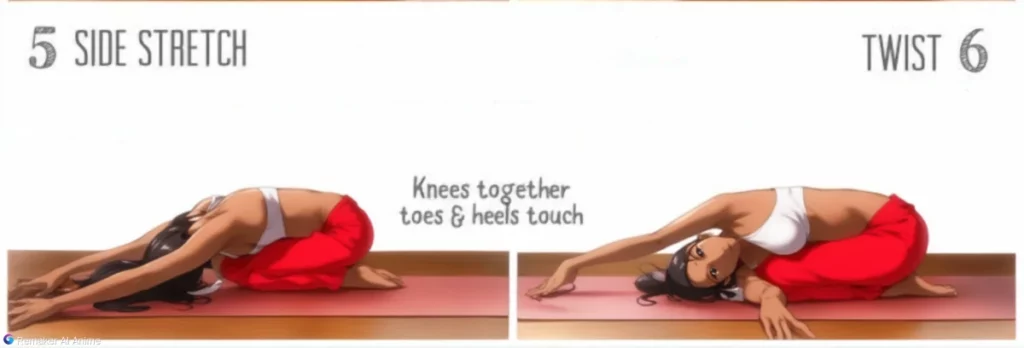
Common Mistakes to Avoid
- Rushing the Process:
Don’t try to force your body into the pose. It’s really important to go at your own pace and listen to your body. - Holding Your Breath:
Many beginners tend to hold their breath without realizing it. Remember to breathe slowly and deeply throughout the pose. - Straining for Perfection:
It’s okay if your forehead doesn’t touch the mat perfectly or if your arms aren’t completely extended. The key is to relax and enjoy the stretch.
Research-Based Insights and Real-World Experiences
You might be wondering, “Does this simple pose really make a difference?” Well, let’s talk about some real-world experiences and research-based insights that highlight the power of Child’s Pose Balasana.
Real-World Examples
I have a friend who used to feel really anxious before exams. He started incorporating Child’s Pose into his daily routine, and over time, he mentioned that he felt much calmer and more focused during his study sessions. It’s like taking a mini-break that resets your mind. Another classmate of mine had chronic back pain from long hours of sitting in class. After practicing this pose regularly, she found that her back pain reduced significantly, and she even felt more relaxed overall. These personal stories show that even a simple pose can have a big impact on your life.
What the Experts Say
There are many yoga instructors who swear by Child’s Pose as one of the most effective ways to relieve stress. They believe that by focusing on the breath and allowing the body to relax, you give your nervous system a chance to calm down. In fact, many yoga teachers recommend starting and ending your practice with a few minutes of Child’s Pose to ensure that you’re not only working on your body but also giving your mind some well-deserved rest.
Scientific Research
As mentioned earlier, scientific studies have shown that yoga can reduce stress and improve overall health. For example, research published in reputable journals like the Journal of Alternative and Complementary Medicine has found that yoga helps lower cortisol levels—the hormone associated with stress. While these studies often look at yoga in general, the calming nature of Child’s Pose plays a crucial role in achieving these benefits. Furthermore, research from the International Journal of Yoga has pointed out that regular yoga practice can improve flexibility and reduce muscle tension, which are direct benefits of performing Child’s Pose.
Personal Reflections
Honestly, I’ve noticed that whenever I practice Child’s Pose, I feel a wave of calm wash over me. Even on days when everything seems chaotic, spending a few minutes in this pose helps me center my thoughts and relax. It’s not about doing a perfect pose but about giving yourself a moment of peace. And isn’t that something we all need in our busy lives?
Tips for Integrating Child’s Pose Balasana into Your Daily Routine
Incorporating Child’s Pose into your everyday life is easier than you might think. Here are some simple tips to help you make it a regular part of your day.
Create a Relaxing Space
- Designate a Spot:
Choose a quiet corner in your room or at home where you can practice without interruptions. Even a small space with a soft rug or mat can work wonders. - Minimize Distractions:
Turn off your phone or any other distractions so that you can fully focus on the practice. A little bit of silence goes a long way in helping you relax.
Set a Regular Schedule
- Morning or Evening Routine:
Many people find it helpful to practice Child’s Pose either in the morning to set a calm tone for the day or in the evening to unwind before bed. Try both and see what works best for you. - Short Sessions:
Even if you only have 5 to 10 minutes, it’s better to practice a little bit every day than to skip your practice altogether. Consistency is key!
Combine with Other Relaxation Techniques
- Deep Breathing Exercises:
Pairing Child’s Pose with simple breathing exercises can amplify its benefits. Try inhaling slowly for a count of four, holding for four, and then exhaling for four. - Meditation:
After holding the pose for a few minutes, you can sit up and do a short meditation. This helps deepen the sense of calm and mindfulness.
Join a Class or Use Online Resources
- Local Yoga Classes:
If you’re new to yoga, consider joining a beginner’s class where you can learn from experienced instructors. It’s also a great way to meet other people who share your interest in yoga. - Online Tutorials:
There are plenty of free videos and tutorials online that demonstrate how to perform Child’s Pose correctly. Watching these can help you refine your technique.
Listen to Your Body
- Take It Easy:
Remember, yoga is not a competition. If you ever feel any discomfort or pain, adjust the pose or take a break. It’s all about listening to your body and doing what feels right. - Be Patient:
Improvement comes with time and practice. Don’t rush the process—enjoy every little step of your yoga journey.
Conclusion
In conclusion, Child’s Pose Balasana is much more than just a yoga pose—it’s a way to find calm and improve your overall well-being. This simple yet powerful asana offers amazing benefits, from easing back pain and improving flexibility to reducing stress and promoting mindfulness. Whether you’re a student dealing with daily pressures or someone who just wants to add a bit of relaxation to your routine, incorporating Child’s Pose into your day can make a huge difference.
By learning the proper technique and practicing regularly, you can enjoy the full range of benefits this pose has to offer. Remember, it’s not about perfecting the pose but about taking a moment to reconnect with yourself. So, why not give it a try? Roll out your yoga mat, find a quiet space, and let Child’s Pose Balasana be your go-to escape from the hustle and bustle of everyday life.
Take that small step today, and who knows—you might just find that a few minutes of calm can lead to big changes in your life. Happy practicing, and here’s to a more relaxed and balanced you!