
Embrace the Healthiest Millets in an Ayurvedic Herbal Diet
Ever wondered why our ancestors always had millets in their diet? Well, millets are not just any grains – they are tiny powerhouses packed with nutrition that can truly transform your meals. In India, millets have been a part of our daily food habits for centuries. Today, as we search for healthier alternatives to refined grains, the spotlight is once again on the healthiest millets. These grains offer a wholesome package of proteins, vitamins, minerals, and fiber that help in improving digestion, controlling blood sugar levels, and even reducing the risk of heart disease.
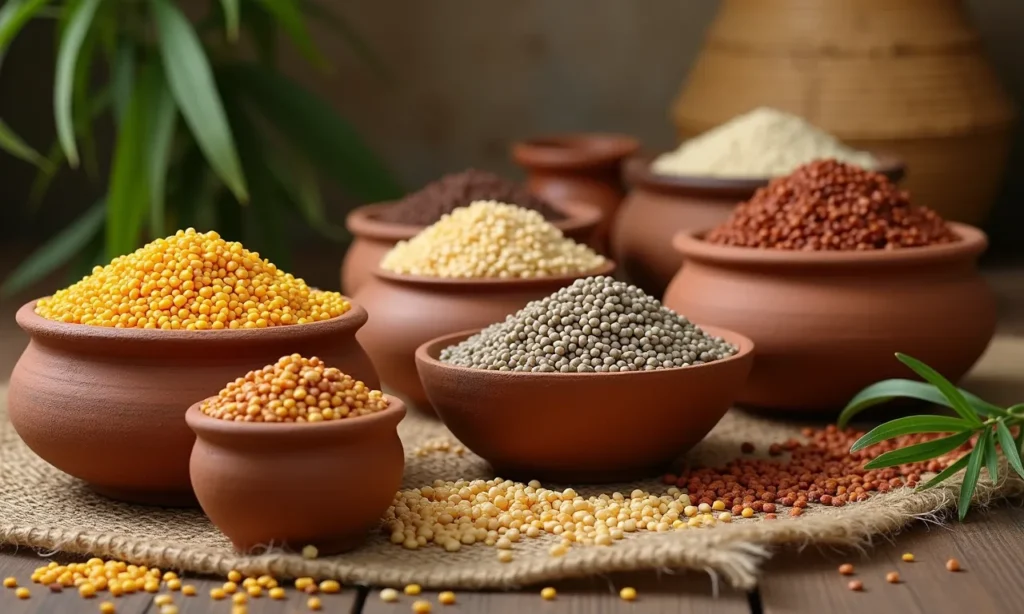
You might think, “Aren’t millets just like any other grain?” But actually, they are unique. Unlike polished rice or wheat, millets are less processed, meaning they retain most of their natural nutrients. Studies have shown that millets have a low glycemic index, which is a great bonus for those who need to manage diabetes. Moreover, millets are gluten-free, making them a safe option for people with gluten intolerance. Honestly, with so many benefits, why wouldn’t we want to include them in our diet?
This article will take you on a detailed journey into the world of millets. We will explore what makes them so special, how they have been used traditionally in Indian households, and the various types of millets that you can try out. Whether you are a student looking for quick and healthy recipes or someone trying to make better food choices, understanding the benefits of the healthiest millets can truly be a game changer. So, let’s dive in and see how these humble grains can add a burst of nutrition to thier everyday meals!
What are Millets?
Millets are a group of small-seeded grasses that have been cultivated for thousands of years. They are often referred to as “nutritious grains” because of their rich nutrient profile. Unlike common cereals like wheat and rice, millets are naturally gluten-free and have a unique texture and taste that many people enjoy.
Key Points about Millets:
- Ancient Grains: Millets have been grown since ancient times in India and Africa.
- Nutrient Rich: They are high in protein, fiber, and essential minerals such as magnesium, iron, and calcium.
- Gluten-Free: Ideal for those with celiac disease or gluten sensitivity.
- Sustainable Crop: Millets require less water and can grow in harsh climates, making them environmentally friendly.
By choosing millets, you not only enjoy a healthy food option but also contribute to sustainable agriculture. It’s pretty cool that something so simple can have such a positive impact on both our health and the environment!
Why Choose the Healthiest Millets?
1. Boosts Digestion and Gut Health
Millets are loaded with dietary fiber, which is crucial for a healthy digestive system. Fiber helps in keeping our gut moving smoothly and prevents issues like constipation. In fact, many studies have indicated that a high-fiber diet can lower the risk of colon cancer and promote overall gut health. So, if you want to have a happy tummy, including millets in your meals is a smart move.
2. Manages Blood Sugar Levels
One of the best things about millets is their low glycemic index. This means that they release sugar slowly into the bloodstream, avoiding sudden spikes in blood sugar levels. For people with diabetes or those at risk, millets are an excellent food choice. Research has shown that diets incorporating millets can help in managing diabetes by reducing post-meal blood sugar spikes.
3. Supports Heart Health
Heart diseases are a major concern worldwide, but the healthiest millets can help reduce this risk. These grains contain essential nutrients like magnesium and potassium, which are known to support heart function and lower blood pressure. Additionally, the antioxidants present in millets help in fighting free radicals, thereby reducing inflammation and the risk of heart-related conditions.
4. A Rich Source of Vitamins and Minerals
Millets are not only rich in carbohydrates and proteins but also contain a good mix of vitamins and minerals. They are an excellent source of B vitamins (like niacin and riboflavin) that play a critical role in energy production and overall metabolism. Minerals such as iron and zinc are present in abundance, which help in boosting immunity and overall well-being.
5. Weight Management
If you are trying to lose weight or maintain a healthy body weight, millets can be a great addition to your diet. The high fiber content keeps you feeling full for longer, reducing the urge to snack frequently. Plus, since millets are low in calories and fat, they make an ideal food for weight-conscious individuals.
Popular Types of Millets and Their Benefits
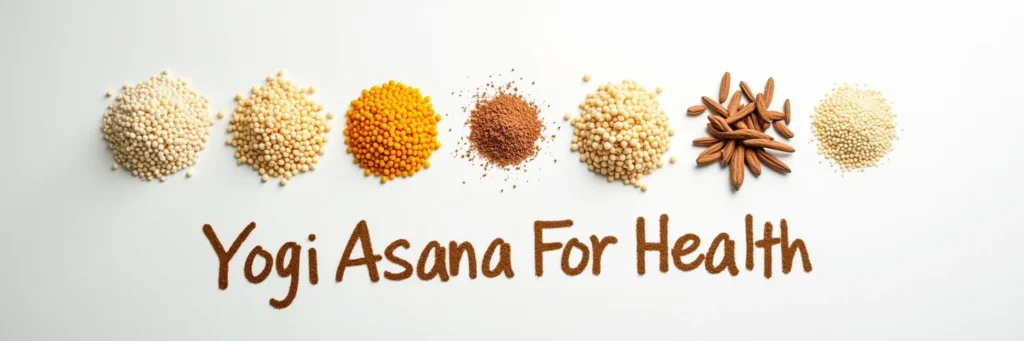
There are several types of millets available, each with its own unique taste and health benefits. Here, we will look at some of the most popular and healthiest millets.
H2: Pearl Millet (Bajra)
Pearl millet, locally known as bajra, is one of the most commonly consumed millets in India. It is a staple in many rural households and is known for its robust and earthy flavor.
- Nutritional Profile: Bajra is high in protein, iron, and magnesium. It is particularly known for its high fiber content, which aids in digestion.
- Health Benefits: Regular consumption of bajra can help in controlling blood sugar levels and improving heart health. It also contributes to reducing cholesterol levels.
- Usage: Bajra can be used to make traditional Indian flatbreads (rotis) and porridges. It can also be popped like popcorn for a healthy snack.
H2: Finger Millet (Ragi)
Finger millet, or ragi, is another favorite among the healthiest millets. It is widely recognized for its impressive nutritional benefits.
- Nutritional Profile: Ragi is a powerhouse of calcium, making it extremely beneficial for bone health. It is also rich in iron and fiber.
- Health Benefits: Consuming ragi helps in preventing anemia and promotes strong bones and teeth. It is also beneficial for managing diabetes due to its low glycemic index.
- Usage: Ragi is commonly used in making porridge, cookies, and even fermented foods like ragi dosa. Its slightly nutty flavor makes it versatile for various recipes.
H2: Foxtail Millet
Foxtail millet is one of the less commonly known millets but is equally nutritious. It has a delicate flavor and a soft texture when cooked.
- Nutritional Profile: This millet is high in protein and fiber while being low in fat. It also provides essential minerals such as iron and calcium.
- Health Benefits: Regular consumption of foxtail millet can help in weight management, reducing cholesterol, and improving digestive health.
- Usage: It can be used as a substitute for rice in most dishes. Foxtail millet can also be used in salads, soups, and even breakfast cereals.
H2: Little Millet
Little millet is a tiny grain that packs a big nutritional punch. It is easy to digest and is known for its mild taste.
- Nutritional Profile: Little millet is a good source of protein, fiber, and essential minerals like phosphorus and magnesium.
- Health Benefits: It supports heart health, helps in managing blood sugar levels, and aids in proper digestion. The antioxidants present in little millet help in fighting free radicals.
- Usage: Little millet is versatile and can be used in pilafs, salads, or as a side dish with curries. It is also great in making porridge for a nutritious breakfast.
H2: Kodo Millet
Kodo millet is a lesser-known variety but has been gaining popularity because of its impressive health benefits. It is rich in proteins and essential amino acids.
- Nutritional Profile: Kodo millet contains high amounts of fiber and is packed with minerals like iron and potassium.
- Health Benefits: It helps in managing diabetes, supports heart health, and aids in digestion. Kodo millet also promotes weight loss due to its high fiber content.
- Usage: It is often used in traditional Indian recipes like upma and khichdi. Kodo millet can be substituted for rice or other grains in almost any dish.
How to Incorporate Millets in Your Daily Diet
Incorporating the healthiest millets into your daily diet is easier than you might think. Here are some simple and creative ways to add these nutritious grains to your meals:
1. Millet Rotis and Flatbreads
One of the most traditional ways to enjoy millets is by making rotis or flatbreads. Bajra roti or ragi roti is a common sight in many Indian households. These rotis are not only healthy but also pair well with a variety of curries and vegetables.
- Tip: Mix millet flour with a little wheat flour if you’re new to it. It makes the dough easier to handle and gives a nice texture.
2. Millet Porridges
Millet porridges are a warm and comforting breakfast option. They can be cooked with milk or water and flavored with spices like cardamom and cinnamon. You can add fruits, nuts, and a drizzle of honey to make it even more delicious.
- Tip: For a creamy texture, soak the millets overnight before cooking.
3. Millet Salads
For a quick and refreshing meal, try making a millet salad. Cooked millets like foxtail or little millet can be tossed with fresh vegetables, herbs, lemon juice, and olive oil. This makes for a nutritious and filling lunch or dinner option.
- Tip: Add some chopped cucumbers, tomatoes, and a handful of coriander leaves for extra flavor.
4. Millet Snacks
You can even enjoy millets as snacks. Pop some bajra or kodo millet and mix them with your favorite spices for a crunchy, healthy snack. Millet-based energy bars are also becoming popular and can be easily made at home using a mix of millets, nuts, and dried fruits.
- Tip: Experiment with different seasonings like chaat masala or black pepper to find your favorite flavor.
5. Millet as a Rice Substitute
Replace your usual rice with millets in almost any recipe. Whether you are making a pulao, biryani, or a simple stir-fry, millets can serve as a great substitute. They cook relatively fast and absorb flavors well, making them an ideal base for a variety of dishes.
- Tip: Rinse millets well before cooking and follow the package instructions to get the perfect texture.
6. Millet Soups and Stews
Millets can also be added to soups and stews for extra nutrition. They absorb the flavors of the broth and add a hearty texture to the dish. This is a great way to make your regular soup more filling and nutritious.
- Tip: Use a mix of vegetables and spices to complement the earthy flavor of the millets.
Research and Real-World Evidence
There is a growing body of research supporting the nutritional benefits of millets. Studies conducted by various agricultural and nutritional research institutes have shown that regular consumption of millets can significantly improve overall health. For instance, research has highlighted the role of millets in managing diabetes due to their low glycemic index, which means that they help in preventing sudden spikes in blood sugar levels. Additionally, the high fiber content in millets has been linked to improved digestive health and a lower risk of chronic diseases like heart disease and colon cancer.
In real-world settings, many communities in rural India have been using millets as a staple food for generations. Their traditional recipes have not only stood the test of time but have also been praised by nutritionists for being balanced and highly nutritious. It’s quite amazing how something as simple as a millet can have such profound effects on health!
Many experts now recommend including millets in our diets as a natural way to boost immunity, manage weight, and even enhance overall energy levels. For instance, the Indian Council of Medical Research has noted that a millet-based diet can help reduce the risk of lifestyle-related diseases while providing essential nutrients needed for growth and development. With rising concerns about obesity and diabetes, millets offer an affordable and accessible alternative to more processed grains.
Tips and Tricks for Cooking with Millets
Cooking millets can be a bit different from using your regular rice or wheat. Here are some friendly tips to help you get started:
- Soaking: Soak the millets for at least 2-4 hours or even overnight. This helps in softening the grains and reduces the cooking time.
- Toasting: Lightly toasting the millet grains in a dry pan before cooking enhances their nutty flavor.
- Proper Water Ratio: Millets often require a different water-to-grain ratio compared to rice. Check the instructions on the packet, but generally, use slightly less water for a fluffy texture.
- Experiment: Don’t be afraid to experiment! Try mixing millets with vegetables, lentils, or even spices to create a dish that suits your taste.
- Blending Flavors: Use herbs and spices such as cumin, turmeric, and coriander to add extra flavor. Sometimes a pinch of salt and a squeeze of lemon juice can make a big difference in enhancing the taste.
Cooking with millets may require a little practice, but once you get the hang of it, you’ll find that these grains are incredibly versatile and fun to work with. It’s a rewarding experience to see a simple grain transform into a delicious meal that not only tastes good but is also good for your health.
Real-Life Recipes to Try at Home
Here are a couple of easy recipes that incorporate the healthiest millets into everyday meals.
Millet Upma
Ingredients:
- 1 cup little millet (or any millet of your choice)
- 1 finely chopped onion
- 1 chopped tomato
- 1 green chili (optional)
- Mustard seeds, cumin seeds, and curry leaves
- Mixed vegetables like carrots, peas, and beans
- Salt and turmeric to taste
- A handful of chopped coriander
Method:
- Rinse the millet and soak it for about 30 minutes.
- In a pan, heat some oil and add mustard seeds, cumin, and curry leaves.
- Add chopped onions and green chili. Sauté until the onions turn golden.
- Mix in the vegetables and tomatoes. Cook for 5-7 minutes.
- Add the soaked millet along with salt and turmeric.
- Pour in water and cook until the millet is soft.
- Garnish with coriander and serve hot.
Ragi Porridge
Ingredients:
- 1 cup ragi flour
- 3 cups water (or milk for a creamier version)
- A pinch of salt and cardamom powder
- Jaggery or honey for sweetening
- Chopped nuts and fruits for topping
Method:
- In a bowl, mix ragi flour with a little water to form a smooth paste.
- Bring the remaining water or milk to a boil.
- Slowly add the ragi paste to the boiling liquid, stirring continuously to avoid lumps.
- Cook on low heat for about 10 minutes until it thickens.
- Add salt, cardamom, and jaggery (or honey). Stir well.
- Serve warm with a topping of chopped nuts and fruits.
The Future of Millets in Modern Diets
As we move towards a more health-conscious lifestyle, the demand for natural and wholesome foods is growing. Millets, with their rich nutrient profile and versatile nature, are perfectly poised to become a staple in modern diets. In urban areas, people are starting to rediscover these ancient grains and are incorporating them into salads, soups, and even baked goods.
The shift is not just about health but also about preserving traditional food practices. Many local farmers are now turning back to millet cultivation because these crops require less water and are more sustainable than modern cereals. This not only helps in maintaining biodiversity but also supports local economies.
Furthermore, global interest in gluten-free diets has given millets an extra boost. Food bloggers, chefs, and nutritionists from around the world are experimenting with millet recipes and sharing them on social media. The trend is catching on, and we might soon see millets featured in high-end restaurants and cafes.
Honestly, it feels like we are coming full circle – from relying on millets in our childhood to recognizing their benefits as adults. The healthiest millets are not just a nod to the past; they are a promising solution for the future of food, especially in a world where health and sustainability are becoming more and more important.
Final words
In conclusion, the journey through the world of the healthiest millets reveals a treasure trove of nutritional benefits that are too good to ignore. From boosting digestion and managing blood sugar levels to supporting heart health and aiding in weight management, millets are a versatile and powerful food option. These ancient grains have been an integral part of traditional Indian diets for centuries, and their resurgence in modern times is a testament to their unmatched value.
We explored popular types like bajra, ragi, foxtail millet, little millet, and kodo millet, each offering unique benefits and culinary versatility. Whether you are whipping up a quick millet upma for breakfast or trying your hand at a millet salad for lunch, the possibilities are endless. It’s clear that incorporating millets into your daily diet can lead to better health, a more balanced lifestyle, and a reduced impact on the environment.
So next time you plan your meals, why not give these nutritious grains a try? They are not only beneficial for your health but also offer a taste of tradition that connects you to a rich cultural heritage. Remember, every small change in your diet can make a big difference. Go ahead, explore the world of the healthiest millets and start your journey to better nutrition today!
Well, I hope you enjoyed this detailed look into millets as much as I did! Just remember that a healthy diet is a journey – and sometimes, a little twist in your daily meals can lead to major benefits. Happy cooking and stay healthy!