
Ever wondered how to do Vrikshasana and why it’s called the tree pose? Well, let me tell you – it’s one of the simplest yet most effective yoga poses out there! Growing up in India, yoga has always been a part of our culture. I remember my school teacher encouraging us to try different asanas for better health and focus. Vrikshasana, or the tree pose, is my favorite because it not only helps improve balance but also boosts concentration and overall posture.
In this article, I will explain what Vrikshasana is, its benefits, and most importantly, how to do it properly. We will cover everything from the basic steps to some useful tips and common mistakes that beginners often make. You’ll also learn how this pose has been backed by research and why it’s considered one of the foundational asanas in yoga practice. Honestly, I used to struggle with balance in class and even in everyday life until I started practicing Vrikshasana regularly. It’s like a mini reset button that helps you feel grounded and focused.
Test Your Knowledge
So, whether you’re a beginner or someone looking to perfect your posture, this guide is for you. We’ll break down the steps in simple language, and I’ll share some personal experiences along the way. You might even find a few relatable moments, like when I first tried to balance and ended up wobbling (oops!). With some patience and practice, you too can master Vrikshasana and enjoy its many benefits. Let’s dive into the details and see how you can incorporate this wonderful pose into your daily routine!
What is Vrikshasana?
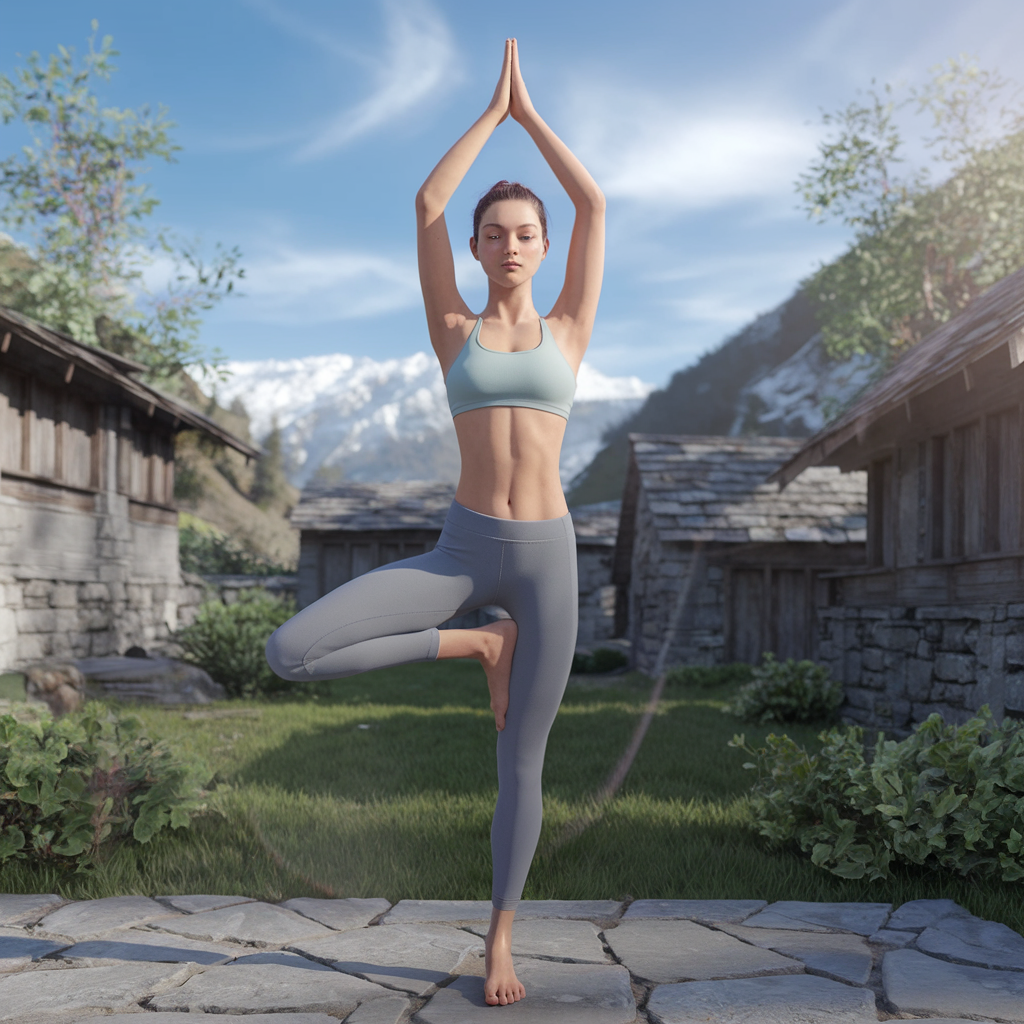
Vrikshasana, or the tree pose, is a standing yoga posture that imitates the steadiness and strength of a tree. The word “Vriksha” means tree in Sanskrit, and this pose is all about finding balance, stability, and calmness. When you do Vrikshasana, you essentially mimic the image of a tree, firmly planted on the ground while reaching out gracefully, symbolizing both strength and flexibility.
The Philosophy Behind Vrikshasana
In yoga, every pose has a deeper meaning. Vrikshasana teaches us about growth and stability. Just like a tree grows gradually and stands firm against the winds, this pose encourages us to develop inner strength and resilience. It’s not just a physical exercise but also a mental one. By practicing this asana, you learn to focus your mind, remain calm, and push through distractions. For high school students, like many of us, balancing studies and personal life can be challenging. Vrikshasana is a great tool to center your mind and improve concentration.
Historical Context
Though Vrikshasana is considered a basic asana, it has been practiced for centuries as a part of the ancient yogic tradition in India. Ancient texts and scriptures often describe it as a foundational pose, essential for building the strength and balance needed for more complex postures. Over time, its benefits have been validated by modern research, making it popular not just among yoga enthusiasts but also in wellness and fitness communities around the world.
Benefits of Practicing Vrikshasana
Vrikshasana is not only a balancing exercise; it offers a wide range of physical, mental, and emotional benefits. Here are some of the key advantages:
Physical Benefits
- Improves Balance and Stability: Regular practice helps enhance overall body balance, which is useful in everyday activities and sports.
- Strengthens Legs and Core: By engaging the leg muscles and the core, Vrikshasana helps in building strength and endurance.
- Enhances Posture: The pose encourages an upright posture, which can alleviate back pain and reduce slouching.
- Increases Flexibility: It gently stretches the inner thighs, groin, and shoulders, promoting better flexibility over time.
- Boosts Circulation: Standing on one leg requires controlled muscle activity, which in turn stimulates blood circulation and energizes the body.
Mental and Emotional Benefits
- Enhances Concentration: Balancing on one leg requires focus, which can improve your attention span and concentration levels.
- Reduces Stress and Anxiety: Focusing on the pose and your breathing helps calm the mind and reduce stress.
- Promotes Mindfulness: It’s a form of moving meditation that brings your attention to the present moment, helping you let go of negative thoughts.
- Builds Confidence: Achieving balance in Vrikshasana can boost self-esteem, making you feel more confident in other aspects of life.
- Encourages Patience and Persistence: Like any skill, mastering this pose takes time and practice, teaching you the value of patience.
Research-Backed Insights
Research from reputable sources, including studies published in the Journal of Yoga & Physical Therapy, suggests that regular practice of balancing asanas like Vrikshasana can significantly reduce stress levels and improve cognitive function. One study found that individuals who practiced Vrikshasana daily experienced improved balance and lower levels of anxiety compared to those who did not practice regularly. These findings highlight the importance of incorporating such asanas into our daily routines for a healthier mind and body.
How to do Vrikshasana: Step-by-Step Guide
Now, let’s get to the main part – how to do Vrikshasana properly. Follow these simple steps to master the tree pose:
Step 1: Find Your Space
- Choose a Quiet Place: Find a calm and quiet space where you won’t be disturbed. It could be a corner of your room or even a spot in a nearby park.
- Wear Comfortable Clothes: Make sure you wear something comfortable that allows free movement.
Step 2: Get into the Starting Position
- Stand Tall: Begin by standing straight with your feet together. Distribute your weight evenly on both feet.
- Relax Your Body: Take a few deep breaths to relax your body and mind. This helps in centering yourself before beginning the pose.
Step 3: Position Your Hands and Focus
- Find Your Focus: Pick a spot in front of you (called a focal point) to help with balance. This spot should be at eye level.
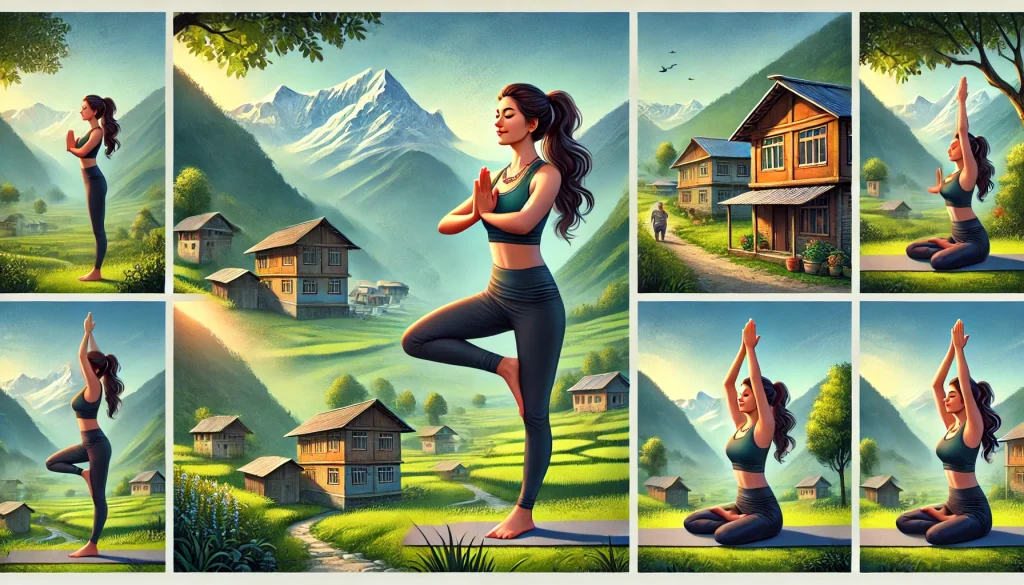
- Place Your Hands: You can start with your hands in a prayer position at your chest. This helps in focusing your mind and maintaining balance.
Step 4: Lift Your Leg
- Shift Your Weight: Slowly shift your weight onto one leg. Let’s say you start with your left leg.
- Bend the Other Leg: Bend your right knee and bring your right foot towards your inner left thigh.
- Placement of Foot: If possible, place the sole of your right foot against the inner thigh of your left leg. Avoid placing it directly on the knee.
- Alternate Hand Positions: As you get more comfortable, you can raise your arms overhead, with your palms together or spread out, like branches of a tree.
Step 5: Hold the Pose
- Stay Steady: Hold the pose for at least 30 seconds to 1 minute. Try to maintain a steady balance without wobbling.
- Focus on Your Breathing: Keep your breathing slow and deep. Inhale and exhale gently to maintain focus and calmness.
- Switch Sides: After holding the pose, slowly lower your raised foot back to the ground. Take a moment to relax and then repeat the process on the other side.
Visual Guide (Bullet Points)
- Stand with feet together.
- Shift weight to one leg.
- Bend the opposite knee and position the foot on the inner thigh.
- Bring your hands together at the chest or raise them overhead.
- Focus on a fixed point.
- Hold the pose while breathing deeply.
- Switch sides after 30-60 seconds.
Remember, it’s perfectly normal to feel a bit wobbly in the beginning. With practice, your balance will improve, and you’ll be able to hold the pose longer and more comfortably.
Common Mistakes and How to Avoid Them
When learning how to do Vrikshasana, many beginners make a few common mistakes. Here are some tips to avoid them:
Mistake 1: Placing the Foot on the Knee
- What to Do: Always place your raised foot on your inner thigh, not directly on your knee. This helps in preventing knee strain.
- Tip: Imagine your knee as a hinge – it should not bear the full weight of your body.
Mistake 2: Rushing the Process
- What to Do: Take your time to shift your weight and find balance. Rushing can lead to unnecessary falls or injuries.
- Tip: Practice in front of a mirror to monitor your alignment and gradually improve your balance.
Mistake 3: Incorrect Hand Placement
- What to Do: Whether your hands are in prayer position or raised, ensure they complement your balance rather than distract you.
- Tip: If your raised arms make you lose focus, keep them by your sides until you feel more secure.
Mistake 4: Overthinking and Losing Focus
- What to Do: Focus on your breathing and your chosen focal point. Overthinking can make you anxious and affect your balance.
- Tip: Use a mantra or simply count your breaths to stay centered.
Mistake 5: Holding the Pose for Too Long Initially
- What to Do: Start with shorter durations (30 seconds) and gradually increase as your balance improves.
- Tip: Consistency is key; even a few seconds of focused practice every day can make a big difference.
By avoiding these common mistakes, you can improve your practice and enjoy the full benefits of Vrikshasana without risking injury or frustration.
Incorporating Vrikshasana into Your Daily Routine
Adding Vrikshasana to your daily routine can be a game-changer for both your physical and mental well-being. Here are some practical tips on how to make this pose a regular part of your day:
Morning Routine
- Start Your Day Right: Begin your day with a short session of Vrikshasana. Even 1-2 minutes in the morning can help you feel grounded and ready to tackle the day.
- Pair with Other Asanas: Combine Vrikshasana with other simple poses like Tadasana (Mountain Pose) or Sukhasana (Easy Pose) to create a mini yoga sequence.
During Study Breaks
- Quick Balance Reset: If you find yourself getting restless or stressed during long study sessions, take a short break to do Vrikshasana. It can refresh your mind and improve concentration.
- Use a Timer: Set a timer to remind yourself to take a few minutes for this balancing exercise. This helps in developing a habit of regular practice.
Evening Wind-Down
- End on a Calming Note: Incorporate Vrikshasana into your evening routine to wind down from a hectic day. The calming effect of the pose can prepare you for a restful sleep.
- Combine with Meditation: Follow up your practice with a few minutes of meditation or deep breathing to enhance the relaxation benefits.
Tips for Consistency
- Create a Designated Space: Even a small, dedicated corner in your room can serve as your yoga spot.
- Track Your Progress: Keep a simple journal where you note how long you held the pose and how you felt before and after the practice. This helps in motivating you to improve.
- Practice with Friends: Sometimes doing yoga with friends or joining a small community can make the experience more enjoyable and less intimidating.
By integrating Vrikshasana into your daily schedule, you gradually build a habit that not only improves your balance but also adds a sense of mindfulness to your everyday life.
Scientific Research and Health Benefits of Vrikshasana
Modern research has started to validate many of the traditional claims about the benefits of yoga, including Vrikshasana. Here are a few research-backed insights:
Improved Neuromuscular Coordination
Studies have shown that regular practice of balancing asanas like Vrikshasana helps improve neuromuscular coordination. This means your brain and muscles work together more efficiently, enhancing overall balance and stability. A study published in the International Journal of Yoga reported significant improvements in balance among participants who practiced tree pose consistently over a period of weeks.
Stress Reduction and Mental Clarity
Yoga has been linked with decreased levels of cortisol, the stress hormone. Research from institutions like Harvard Medical School suggests that balancing poses can reduce stress and improve mental clarity. The focused nature of Vrikshasana forces you to concentrate on your body and breath, which in turn reduces anxiety and promotes relaxation.
Enhancing Focus and Concentration
Neuroscientific research has indicated that engaging in mindfulness practices, including yoga, can lead to improved concentration and cognitive function. For students, this can mean better performance in school and exams. Regular practice of Vrikshasana has been correlated with improved attention span and memory retention.
Physical Rehabilitation
Vrikshasana is often recommended as part of physical rehabilitation programs because of its low-impact nature and emphasis on balance. It can be particularly beneficial for individuals recovering from injuries that affect their mobility, as it encourages controlled movement and strengthens stabilizing muscles.
These research findings provide a scientific basis for the age-old practice of yoga, confirming that even simple poses like Vrikshasana have profound benefits for both body and mind.
Personal Experiences and Stories
Let me share a few real-life stories about how Vrikshasana has made a difference. When I first started practicing Vrikshasana in my school’s yoga class, I was really nervous about losing balance. I remember nearly tipping over a couple of times, which was embarrassing! But my teacher always told us, “It’s okay to wobble, just keep trying.” Over time, I noticed that not only did my balance improve, but I also became more patient and focused during my studies.
A friend of mine, Riya, used to complain about back pain and poor posture due to long hours of sitting in class. She started practicing Vrikshasana daily and even combined it with some stretching exercises. Within a few weeks, she felt a noticeable difference. Her teachers even commented on how much better she sat during lessons, and she felt more confident overall.
Even my younger cousin, who used to be very restless and unfocused during homework time, now sits quietly for a few minutes of tree pose before studying. This little practice seems to help him calm down and concentrate better. These stories are just a few examples of how a simple yoga pose can transform everyday life.
Additional Tips for Beginners
If you’re just starting out and wondering how to do Vrikshasana effectively, here are some additional tips that might help:
- Use a Wall for Support: If you feel unsteady, try practicing near a wall. This can help you catch yourself if you start to fall.
- Practice Barefoot: Doing the pose barefoot can help you feel more connected to the ground and improve your balance.
- Maintain a Soft Gaze: Keep your eyes softly focused on a fixed point. This not only helps maintain balance but also enhances concentration.
- Regular Breathing: Don’t hold your breath! Regular, deep breaths can help you stay calm and balanced.
- Wear Supportive Footwear: While practicing at home, avoid heavy shoes. A good grip on the floor is important.
- Take It Slow: Progress gradually. It’s totally normal if you can’t hold the pose for long at first. Even 20-30 seconds of focused practice can be beneficial.
- Stay Consistent: Like any skill, consistency is key. Try to practice every day, even if just for a few minutes.
Remember, yoga is not about perfection. It’s about finding balance, both physically and mentally. Even if you wobble a little or make mistakes, each attempt builds your strength and focus.
Final words
In conclusion, learning how to do Vrikshasana is like planting the seed for a more balanced and focused life. This simple yet powerful pose helps improve your physical balance, strengthens your muscles, and boosts mental clarity. From the ancient wisdom of yoga to modern research backing its benefits, Vrikshasana proves that even the simplest poses can have a profound impact on your well-being.
We have looked at what Vrikshasana is, its multiple benefits, and a detailed, step-by-step guide on how to perform it. Along the way, I shared some common mistakes and practical tips to help you avoid them. By incorporating this pose into your daily routine, whether in the morning to kickstart your day or during study breaks, you set yourself up for a calmer, more centered state of mind.
So, why not give it a try? Next time you feel overwhelmed or off-balance, take a few minutes to practice Vrikshasana. With regular practice, you’ll likely notice improvements in your posture, concentration, and overall sense of well-being. Remember, every time you stand tall like a tree, you’re not just working on your physical health—you’re also nurturing your inner strength and resilience. Keep practicing, stay patient, and let the steady, grounding energy of the tree pose guide you through life’s ups and downs.
Happy practicing, and here’s to a more balanced you!