
Trikonasana (Triangle Pose)
ver wondered why so many people are raving about yoga these days? Well, one pose that stands out for me is Trikonasana, also known as the Triangle Pose. When I first saw it in my school’s morning yoga session, I was really impressed by how graceful yet strong it looked. The power of Trikonasana isn’t just about looking good on a yoga mat—it offers incredible benefits for your body and mind. This pose is super popular in India, and honestly, it makes you feel energized and calm at the same time.
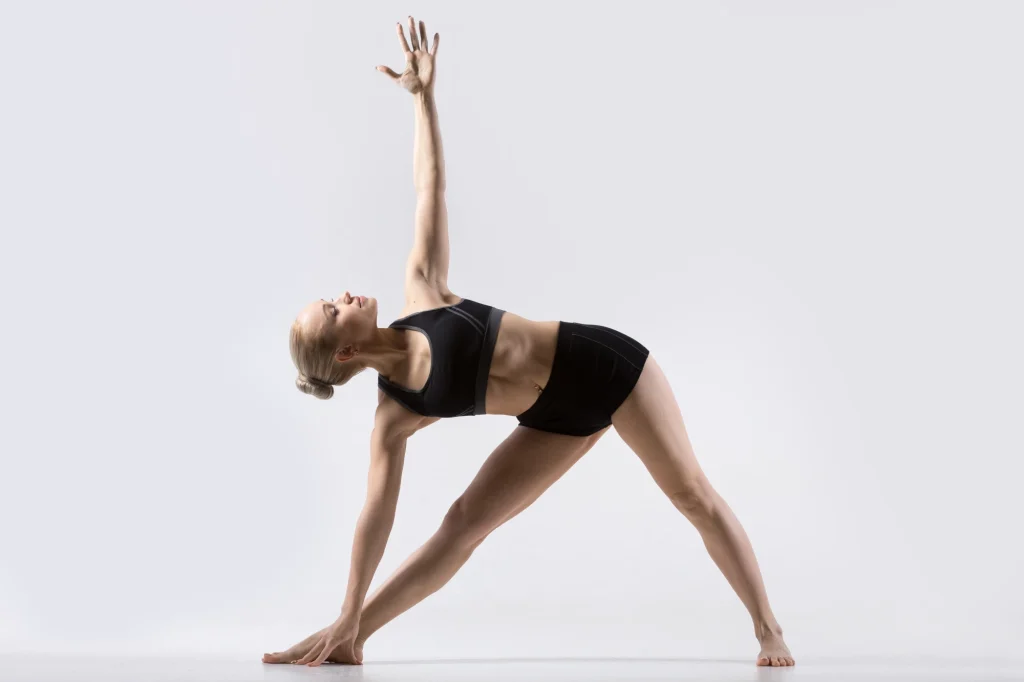
Trikonasana is a classic yoga posture that has been practiced for centuries. It helps stretch the sides of your body, strengthens your legs, and improves your balance. You see, in our busy lives—juggling studies, extracurricular activities, and sometimes even part-time jobs—it’s important to find a way to keep our bodies flexible and our minds clear. Research even suggests that regular practice of yoga poses like Trikonasana can reduce stress and improve overall health. I remember reading a simple study online that mentioned how yoga helps lower blood pressure and boosts concentration, which is pretty cool!
In this article, we are going to dive deep into the power of Trikonasana. I’ll walk you through its history and origins, show you a step-by-step guide on how to perform it correctly, and share some research-backed benefits along with real-life examples. Whether you are a beginner or someone who has been practicing yoga for a while, this guide is packed with useful tips and modifications to help you get the most out of this amazing pose. So, grab your mat, and let’s explore the power of Trikonasana together!
Test Your Knowledge
Understanding Trikonasana: History and Origins
Trikonasana, or the Triangle Pose, is one of the most recognizable postures in yoga. Its name comes from the Sanskrit words “Tri” meaning three and “Kona” meaning angle, referring to the three points created by the body in the pose—the feet, the hand on the floor, and the extended arm. This simple yet effective pose has been a part of traditional Indian yoga practices for many centuries.
Historically, yoga asanas were not only seen as physical exercises but also as a way to balance the mind and spirit. Ancient yogis believed that poses like Trikonasana helped channel energy throughout the body and stimulated various organs. Over time, as yoga spread across the world, Trikonasana maintained its popularity due to its straightforward technique and impressive range of benefits.
In India, many schools and yoga centers include Trikonasana in their daily routines. It’s often one of the first poses taught to beginners because it helps improve balance and flexibility, which are essential for more advanced asanas. You can find pictures of famous yogis demonstrating this pose in many ancient texts and modern yoga manuals alike. Even today, yoga instructors emphasize that the power of Trikonasana lies in its ability to open up the chest and stretch the sides of the body, making it an ideal warm-up exercise before more strenuous activities.
This historical perspective shows that Trikonasana isn’t just a trendy exercise—it has deep roots and a proven track record of enhancing both physical and mental health. Whether you are interested in improving your flexibility or simply want to reduce stress, understanding the origins of Trikonasana can make your practice more meaningful.
How to Practice Trikonasana: A Step-by-Step Guide
Learning the proper technique is key to unlocking the power of Trikonasana. Here’s a simple, step-by-step guide that you can follow to perform this pose correctly:
Preparation and Warm-Up
Before you start, it’s important to warm up your muscles. A few minutes of light stretching or simple exercises can help prevent injuries and make the pose more effective. Try these warm-up moves:
- Neck and Shoulder Rolls: Loosen up the upper body.
- Side Stretches: Gently stretch the sides of your torso.
- Leg Stretches: Prepare your legs by doing a few squats or hamstring stretches.
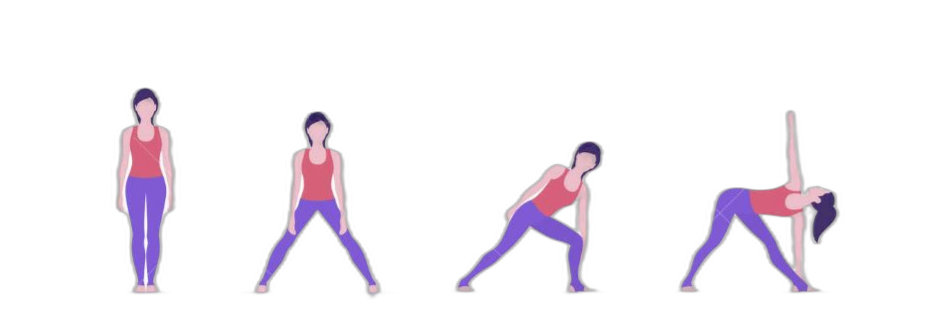
Step-by-Step Instructions
- Starting Position:
- Stand straight with your feet about 3 to 4 feet apart.
- Extend your arms out to the sides so that they are parallel to the floor.
- Keep your weight evenly distributed on both feet.
- Positioning Your Feet:
- Turn your right foot outwards and the left foot slightly inward. Make sure your right heel is aligned with your left heel.
- This alignment is crucial for balance and to fully experience the stretch.
- Forming the Triangle:
- Extend your right arm forward and tilt your body towards the right side.
- Keep your left arm stretched upward so that it forms a straight line with your body. Your right hand should rest on your shin, ankle, or, if possible, the floor.
- Ensure that your chest remains open and your shoulders are relaxed.
- Holding the Pose:
- Look up at your left hand if it feels comfortable, but avoid straining your neck.
- Hold the position for 15 to 30 seconds, breathing slowly and deeply.
- With each exhale, try to deepen the stretch slightly.
- Returning to the Starting Position:
- Slowly come back to the center and repeat the process on the other side.
- Remember to keep movements slow and controlled to avoid any sudden strains.
Visual Tips and Reminders
- Alignment is Key: Always ensure that your feet, hips, and shoulders are properly aligned.
- Keep the Movement Smooth: Avoid jerky motions; smooth transitions make the pose more effective.
- Breathe Deeply: Deep, mindful breathing not only relaxes your body but also increases the benefits of the pose.
By following these steps, you can gradually build confidence and harness the power of Trikonasana effectively. As with any yoga practice, it’s important to listen to your body and not push yourself too hard, especially in the beginning.
Health Benefits of Trikonasana: Strength, Flexibility, and More
Trikonasana is not just about stretching your muscles; it offers a host of benefits that can improve both your physical and mental well-being. Let’s dive into some of the key advantages of this wonderful pose:
Physical Benefits
- Enhances Flexibility:
- Trikonasana stretches the legs, hips, and torso, making it excellent for improving overall flexibility.
- A flexible body can help reduce the risk of injuries, especially for those who spend long hours sitting in class or at a desk.
- Strengthens Muscles:
- This pose works wonders for your legs, core, and back. It builds strength without putting too much strain on your joints.
- Regular practice can lead to better posture and reduced back pain.
- Improves Balance and Stability:
- Balancing on one leg while reaching out with the arms requires focus and stability.
- With time, the power of Trikonasana can help enhance your overall balance, which is crucial for both daily activities and sports.
- Stimulates the Internal Organs:
- The gentle twist in the pose massages the abdominal organs, improving digestion.
- Increased blood circulation from this pose also aids in the detoxification process, keeping your body healthy.
Mental Benefits
- Reduces Stress and Anxiety:
- Deep breathing while holding the pose helps calm the mind.
- It encourages mindfulness and relaxation, which can be a great way to manage exam stress and daily worries.
- Boosts Mental Focus:
- Concentrating on your body’s alignment and the flow of your breath can sharpen your concentration.
- This improved focus can be beneficial for academic performance and everyday tasks.
- Enhances Energy Levels:
- Trikonasana is known to invigorate the body and mind.
- Many practitioners feel more energized and ready to tackle their day after a good session of Trikonasana.
Research-Backed Facts
Several studies have shown that regular yoga practice, including poses like Trikonasana, can lead to lower stress levels and improved cardiovascular health. Research conducted by various universities in India has pointed out that yoga can reduce cortisol (the stress hormone) levels, thereby enhancing overall well-being. Additionally, improved flexibility and muscle strength from practicing Trikonasana can prevent common ailments such as lower back pain and poor posture.
You see, these benefits aren’t just theoretical—they are experienced by millions of people around the world. Whether you are a student, an athlete, or someone simply looking to lead a healthier life, the power of Trikonasana can be a game changer in your daily routine.
Common Mistakes and Tips for Beginners
Even though Trikonasana is a relatively simple pose, there are some common mistakes that beginners often make. Here are a few tips to help you practice safely and effectively:
Common Mistakes
- Improper Alignment:
- One of the biggest mistakes is not aligning the feet, hips, and shoulders correctly.
- This can lead to unnecessary strain and reduce the benefits of the pose.
- Overstretching:
- Don’t force your body into the pose. Overstretching can cause muscle cramps or even injuries.
- Always listen to your body and avoid pushing too hard.
- Ignoring Breath:
- Many beginners forget to coordinate their breath with the movement.
- Remember, breathing deeply is essential for relaxation and maximizing the pose’s benefits.
- Lifting the Head Too Much:
- While it might be tempting to look up, lifting your head too high can strain your neck.
- Keep your neck in a neutral position and let your gaze follow your raised arm naturally.
Helpful Tips
- Warm Up Properly:
- Always start with some gentle stretches. Warm muscles are less likely to get injured.
- Use a Mirror:
- Practicing in front of a mirror can help you check your alignment.
- Take It Slow:
- Start with shorter holds and gradually increase the duration as you build strength and confidence.
- Practice Regularly:
- Consistency is key. Even just 10–15 minutes a day can make a significant difference over time.
- Modify if Needed:
- If you feel any discomfort, try adjusting your stance or using a yoga block for support.
- Seek Guidance:
- Don’t hesitate to ask a yoga teacher for help if you’re unsure about your form.
By avoiding these common mistakes and following these simple tips, you can safely enjoy the full power of Trikonasana while minimizing the risk of injury. Remember, every yogi starts as a beginner, so be patient with yourself and celebrate small improvements along the way!
Real-World Experiences and Expert Opinions
You might be wondering if the power of Trikonasana really makes a difference in everyday life. Well, many students and yoga practitioners have shared their personal experiences, and the feedback is overwhelmingly positive.
For instance, one of my classmates, Ananya, told me that practicing Trikonasana daily helped her feel more relaxed and focused during exam periods. She mentioned that even a few minutes of stretching each morning cleared her mind and gave her the energy to concentrate better in class. Similarly, my friend Rajesh, who suffers from occasional lower back pain, found that incorporating Trikonasana into his routine reduced his discomfort and improved his overall posture.
Yoga experts in India also emphasize the benefits of Trikonasana. At a local yoga center in Delhi, a certified yoga instructor explained that the pose is excellent for stimulating the abdominal organs and improving digestion. He also pointed out that the twist in the pose helps in detoxifying the body by enhancing blood circulation. According to him, students and young professionals who practice Trikonasana regularly often report lower stress levels and better mental clarity.
Research published in various yoga journals further supports these claims. Studies suggest that back-bending poses like Trikonasana can help reduce stress hormones and improve cardiovascular function. While the exact numbers may vary from person to person, the overall trend is clear: consistent yoga practice leads to improved physical and mental health.
These real-world experiences and expert opinions show that the power of Trikonasana is not just a myth. It’s a practical, effective tool that can benefit people of all ages and lifestyles. Whether you’re struggling with stress, looking to improve your flexibility, or simply want to add a healthy routine to your day, Trikonasana can be a valuable addition to your yoga practice.
Final words
In conclusion, the power of Trikonasana lies in its simplicity and effectiveness. This Triangle Pose offers a host of benefits—from enhanced flexibility and improved muscle strength to reduced stress and better mental focus. As we have seen, its origins in ancient yoga traditions and the wealth of research supporting its benefits make it a must-try pose for anyone looking to lead a healthier life.
Trikonasana is not just another yoga exercise; it’s a holistic practice that touches upon physical, mental, and even emotional well-being. Whether you are a student trying to manage the pressures of academics or someone looking for a way to stay fit and stress-free, this pose can be easily integrated into your daily routine. Remember to start slowly, focus on your alignment, and, most importantly, enjoy the process of discovering the many benefits of Trikonasana.
So, why not grab your yoga mat and give it a try? Embrace the power of Trikonasana and experience the positive changes it can bring to your life. With regular practice and a bit of patience, you’ll soon notice improvements not only in your body but also in your overall outlook on life. Happy practicing, and may the power of Trikonasana help you unlock a healthier, more balanced you!
[…] Trikonasana (Triangle […]